


California Dreaming – My Study Abroad Experience

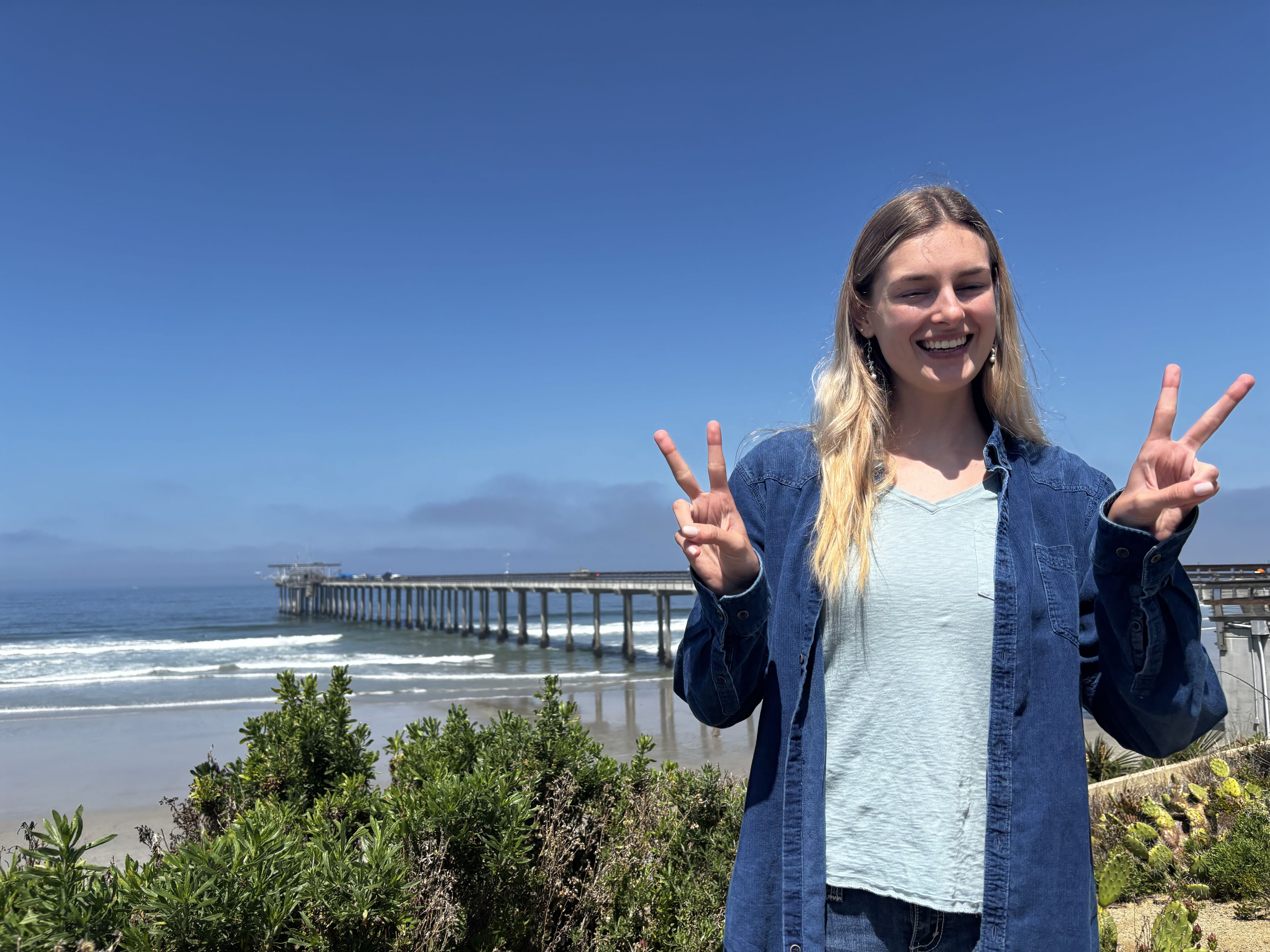

My name is Avery Meier, and I study Marine Science at University of Galway. In my third year, I had the opportunity to apply for an exchange semester at any University of California school. The idea of travelling somewhere completely new thrilled me, especially the chance to build new skills and experiences.
I chose the University of California, San Diego (UCSD) largely because of the renowned Scripps Institution of Oceanography, which offered the perfect opportunity to explore my interests and immerse myself in new environments.

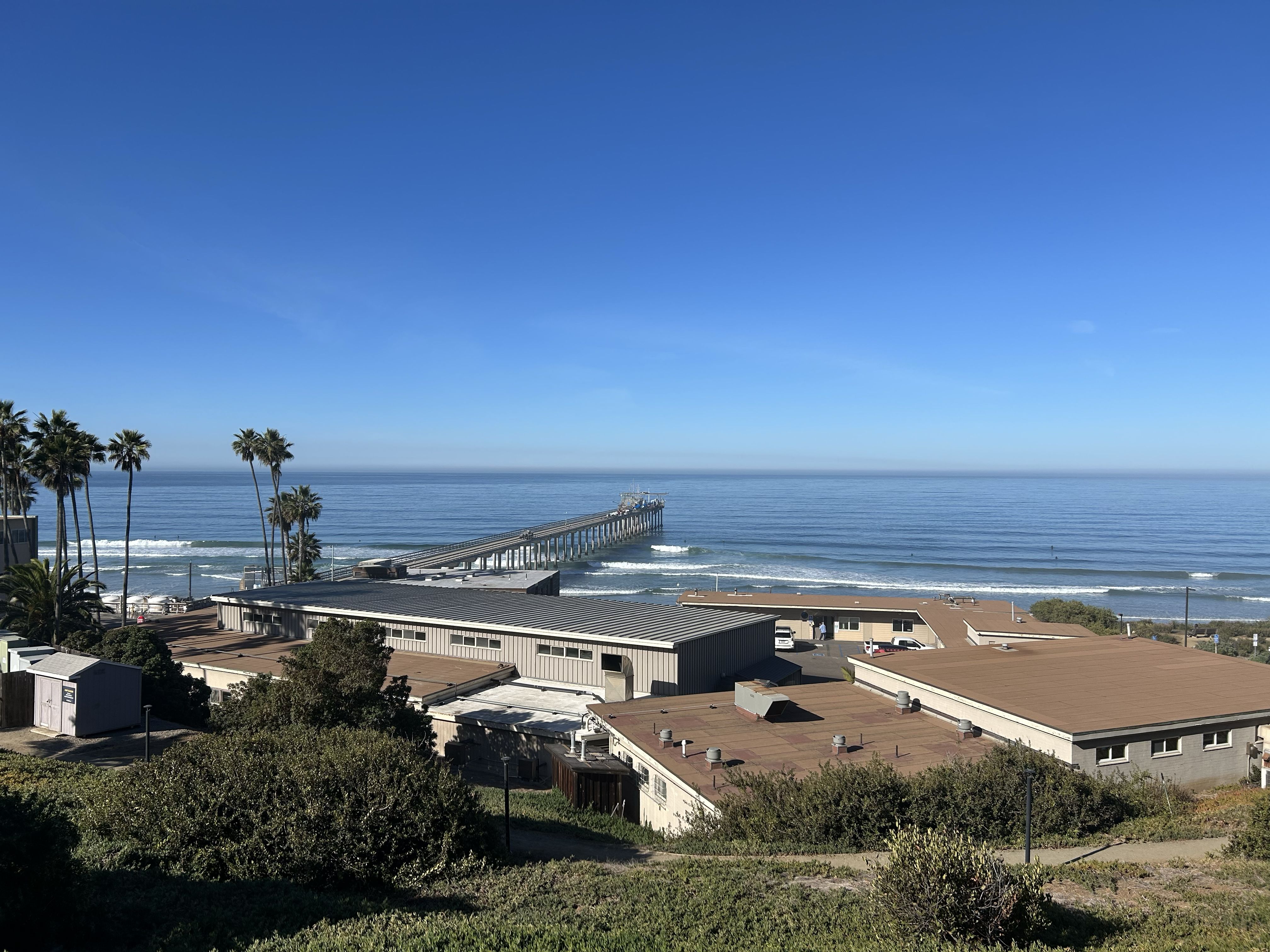
Scripps Campus with Scripps Pier at UCSD on the Pacific Ocean
Scripps Campus with Scripps Pier at UCSD on the Pacific Ocean
Studying abroad has been one of the most impactful experiences of my academic career, and in this blog, I want to share what my time at UCSD was like, along with tips for anyone considering the UC Exchange Program or a semester abroad in general.
Scripps was the main reason I chose UCSD, and I was especially excited to take modules unique to Scripps and learn directly from active researchers and professors. During Winter Quarter, I studied Marine Mammal Biology and Underwater Archaeology. In Spring, I took Marine Biology Laboratory Skills, where I practised fieldwork such as measuring species diversity along rocky intertidal transects as well as lab techniques, including fertilising sea urchin embryos. I also enrolled in a fisheries modelling course in R code, which culminated in a mini conference where we presented posters based on analyses we conducted with self-sourced data. Some modules even brought us out on the water; for example, in my Observational Physical Oceanography class, we spent a day aboard the R/V Sproul collecting data near the wastewater discharge pipe offshore of Point Loma.

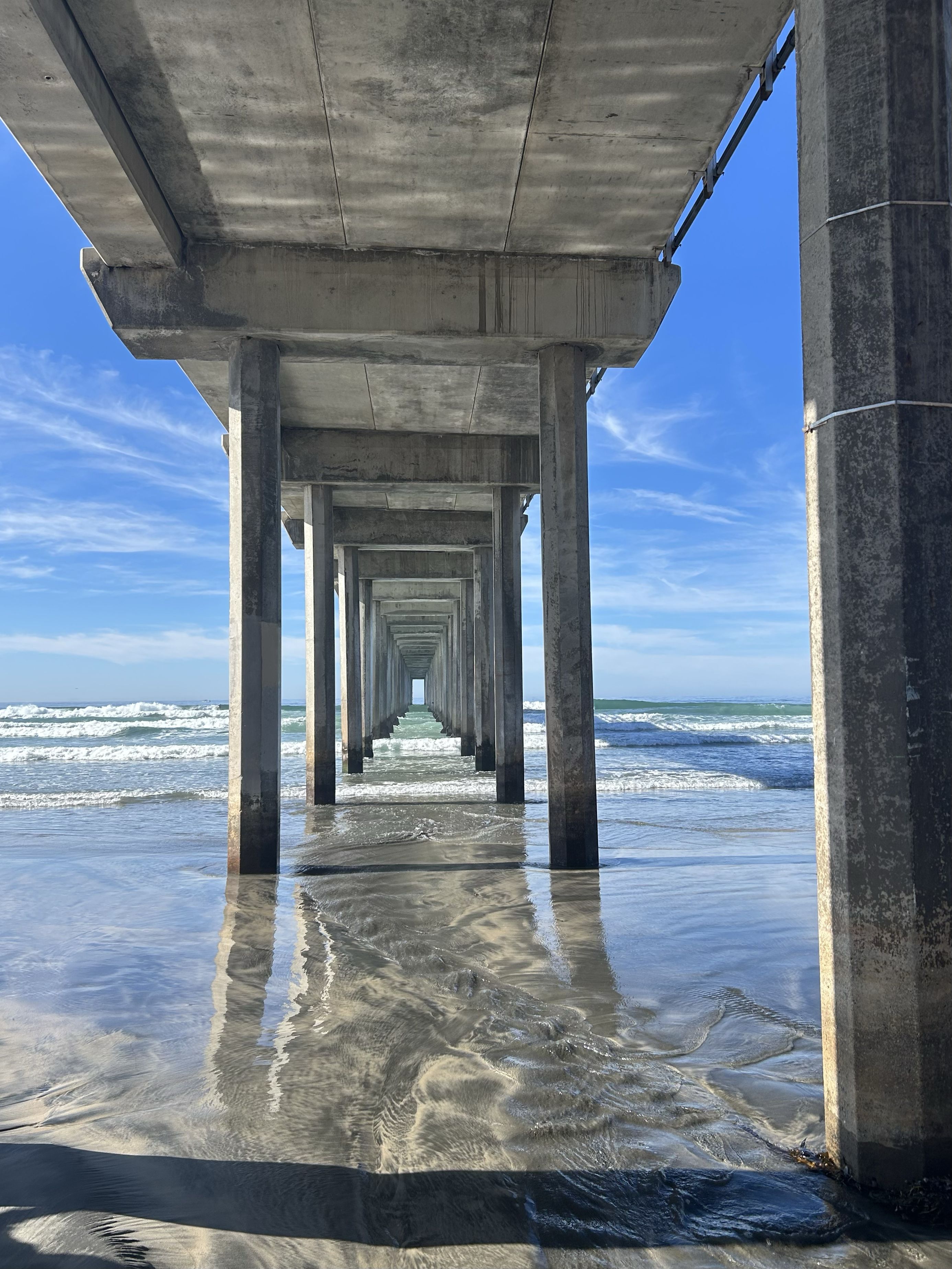
Underneath UCSD Scripps Pier at low tide
Underneath UCSD Scripps Pier at low tide

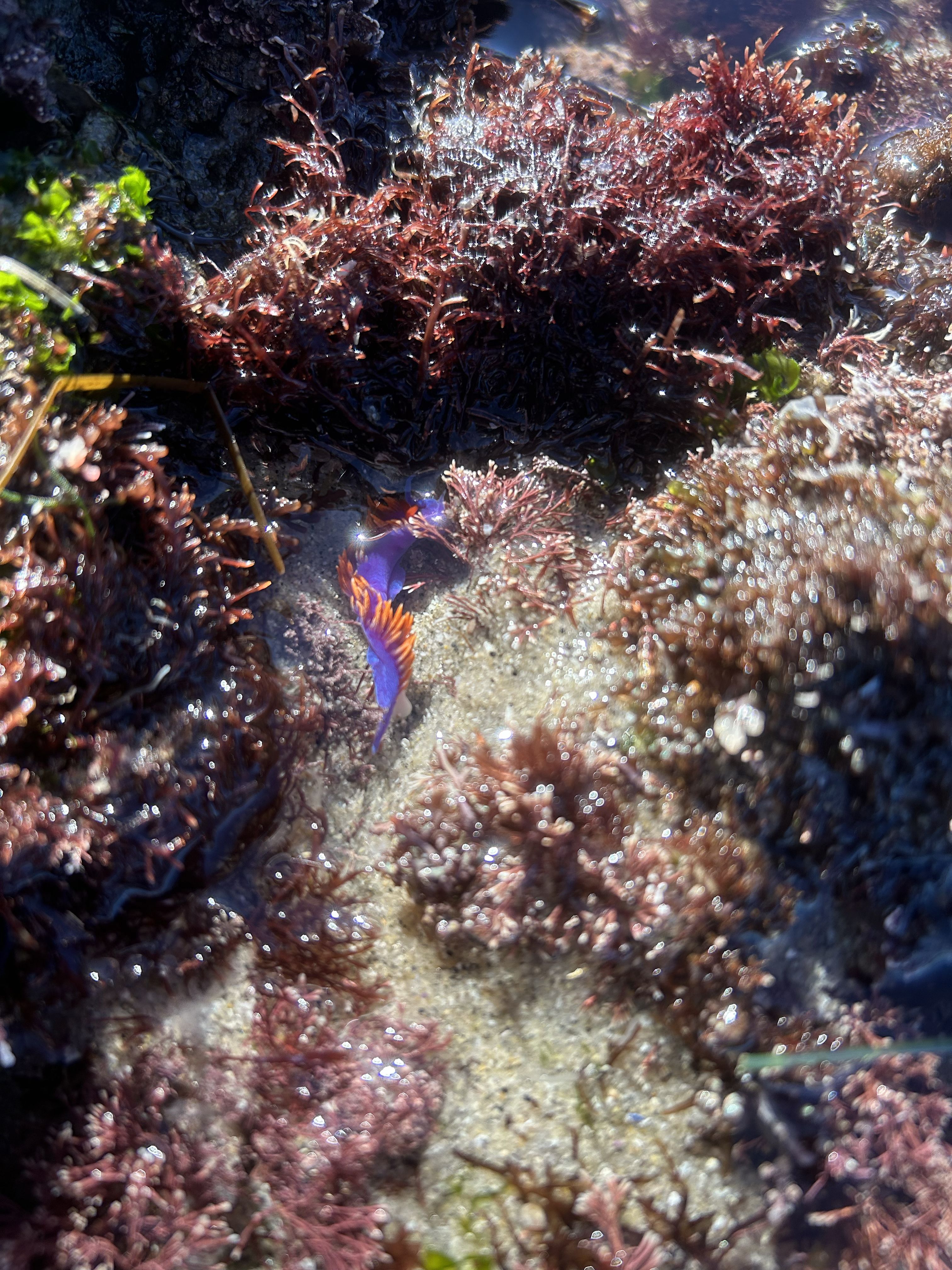
Spanish shawl (Flabellinopsis iodinea) nudibranch at the La Jolla Tide Pools
Spanish shawl (Flabellinopsis iodinea) nudibranch at the La Jolla Tide Pools
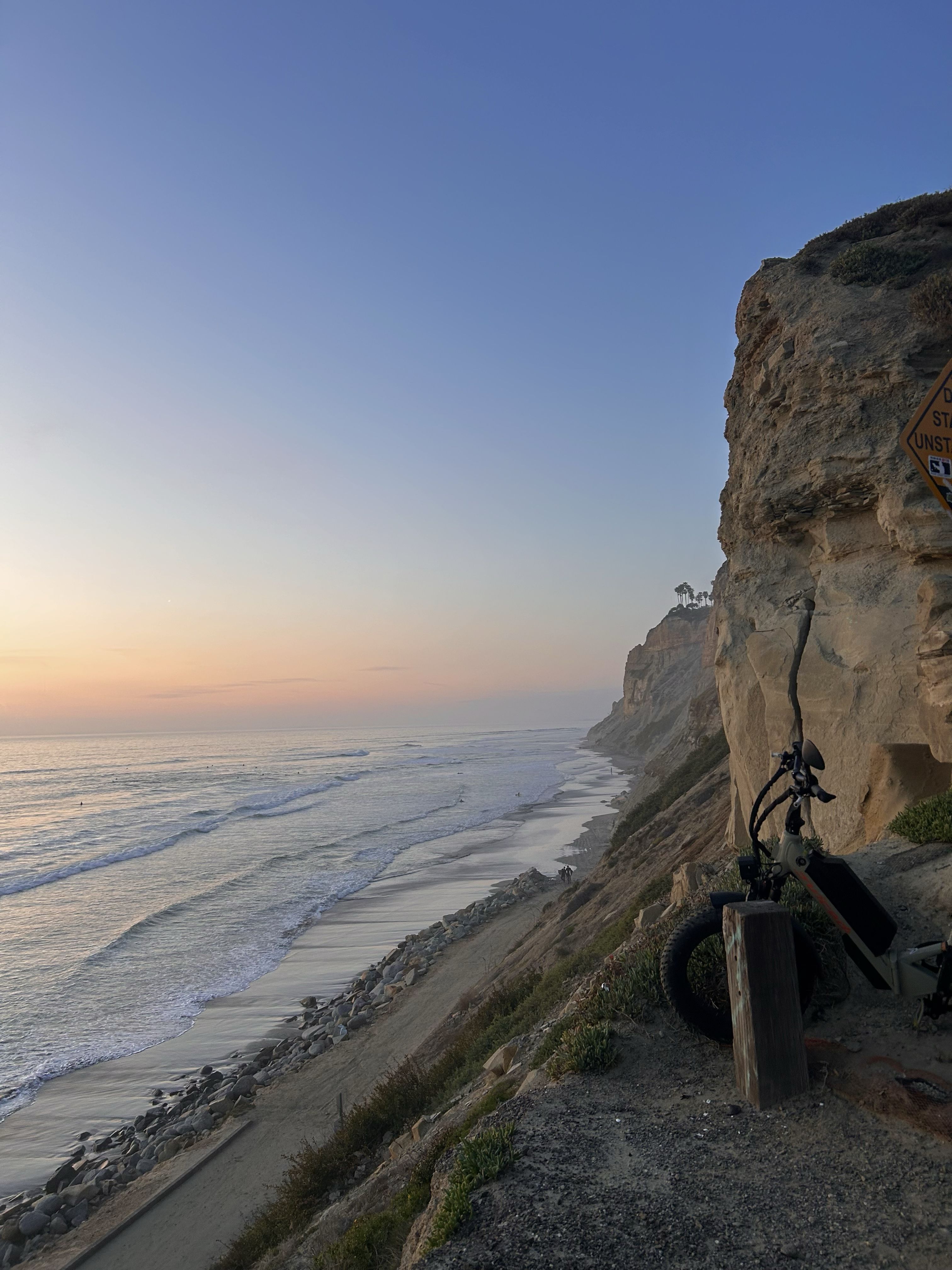
Torrey Pines City Beach, a 20-minute walk from UCSD main campus
Torrey Pines City Beach, a 20-minute walk from UCSD main campus


Registering for classes at UCSD was a multi-step process and very different from what I was used to at University of Galway. Classes fill quickly, so keeping track of deadlines is essential. Fortunately, there’s plenty of online guidance. A tip I highly recommend is emailing professors before the quarter begins. Even a short introduction about who you are and why you’re interested in their course can go a long way. All the professors I emailed responded and were incredibly helpful, especially if I ran into issues registering.
Although I loved UCSD, accommodation was the most challenging part of the experience. Housing is not guaranteed for exchange students, so preparing early is crucial. UCSD has an international student housing option that includes both international and exchange students, but it requires a separate application before applying for general on-campus housing. Although many exchange students do get in, I didn’t. I ended up in an on-campus dorm, which was convenient and had a good cafeteria, but it was farther from the international housing where many social events take place.

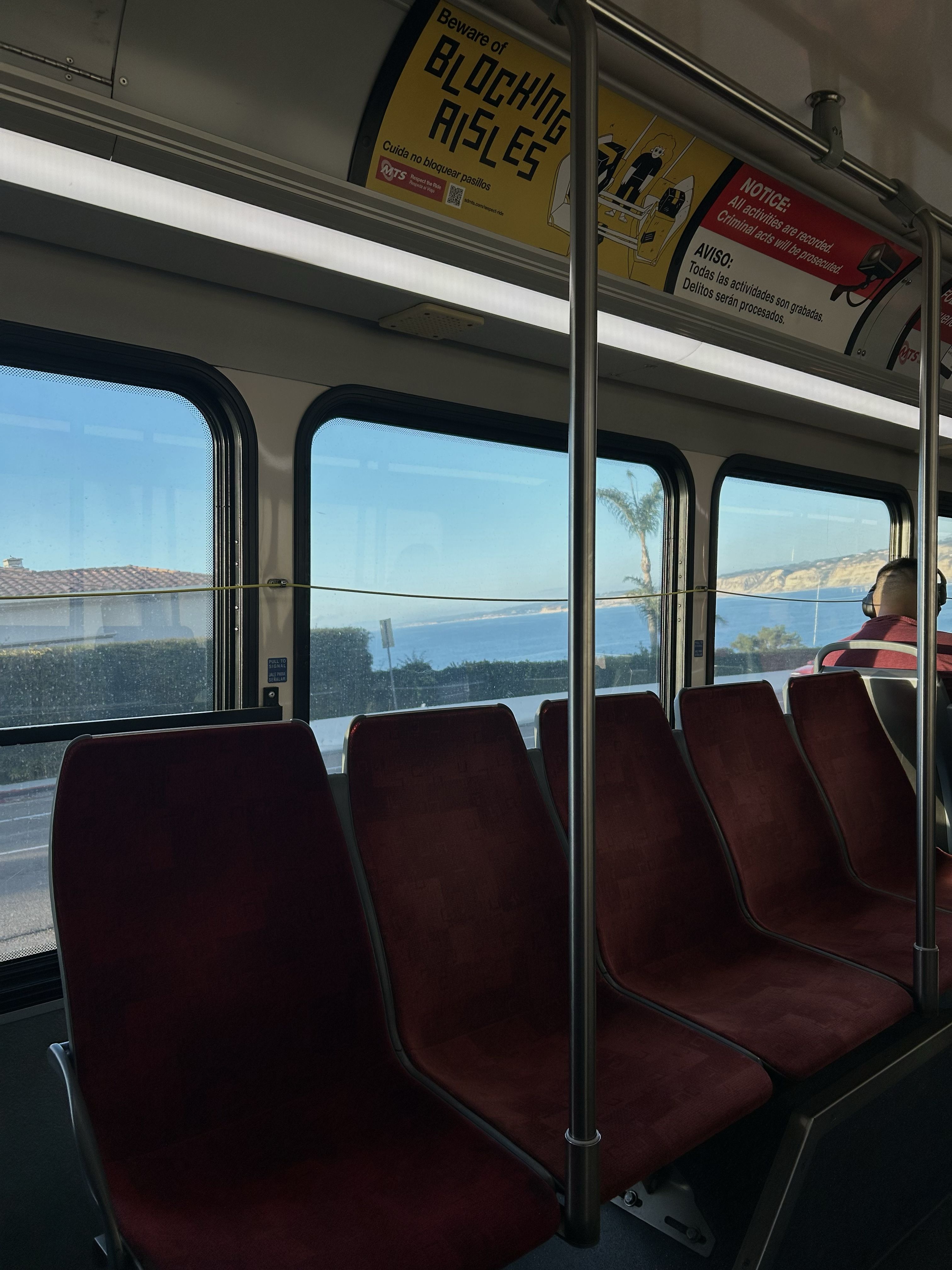
The MTS-30 bus heading back to campus looking out to the ocean
The MTS-30 bus heading back to campus looking out to the ocean
One of the biggest perks of being a UCSD student is the free shuttle and bus pass. Shuttles run frequently between the main campus in Torrey Pines and the Scripps campus at La Jolla Shores. The “Triton Bus Pass” also let me travel around La Jolla, to the UTC shopping centre, and even into San Diego city on the trolley, all without buying extra tickets.
Most weekends, I took the bus from my dorm to La Jolla and walked along the beach, watching the sea lions and harbour seals. When the water warmed up, I met friends at La Jolla Shores to surf near Scripps Pier or snorkel the rocky reefs. Surf Diva is my personal recommendation for renting boards, and Everyday California is great for snorkel gear and kayak tours. Despite not having a car, I never once felt limited.
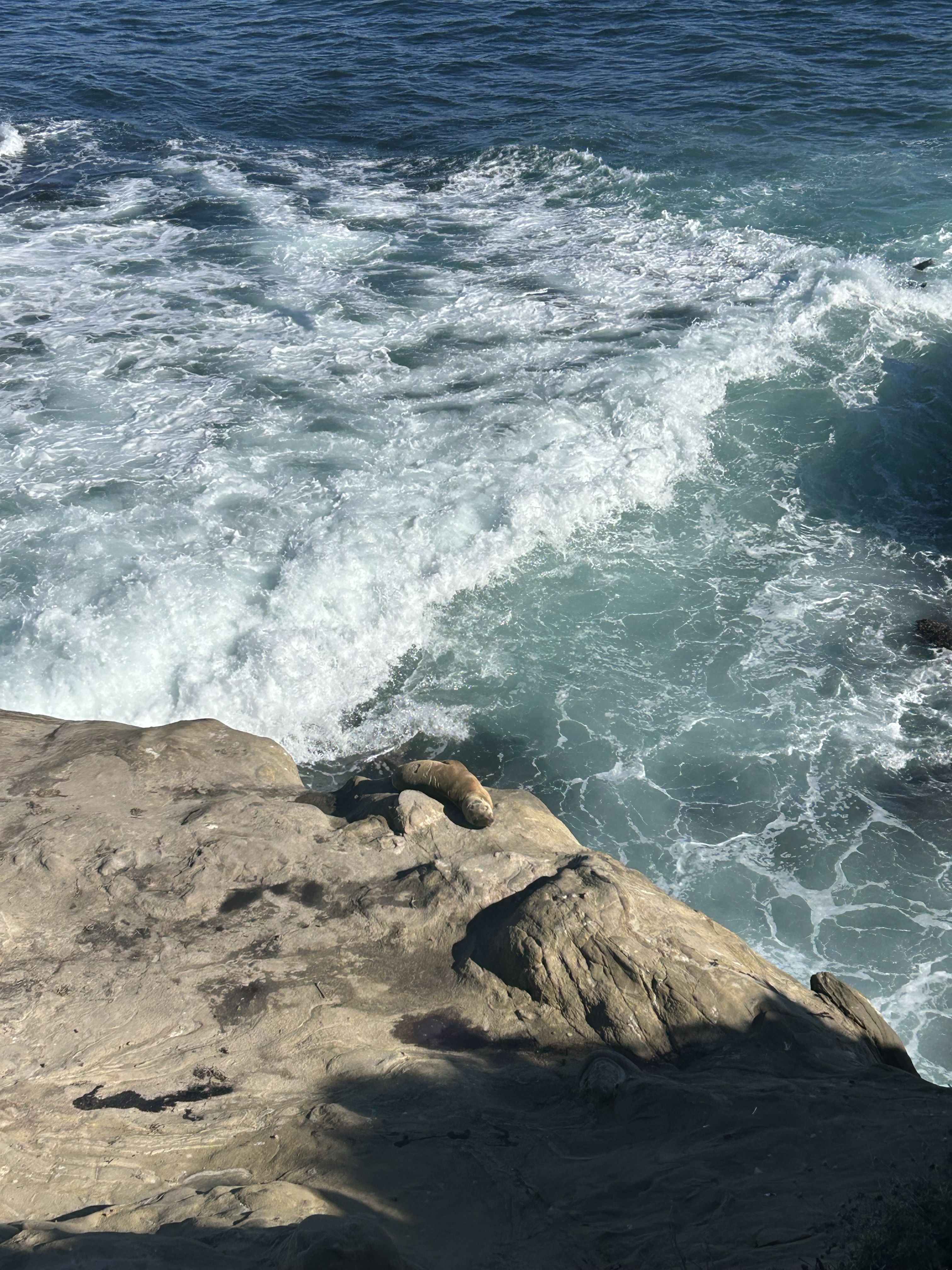
California sea lion (Zalophus californianus) pup napping on the rocks near La Jolla Cove
California sea lion (Zalophus californianus) pup napping on the rocks near La Jolla Cove

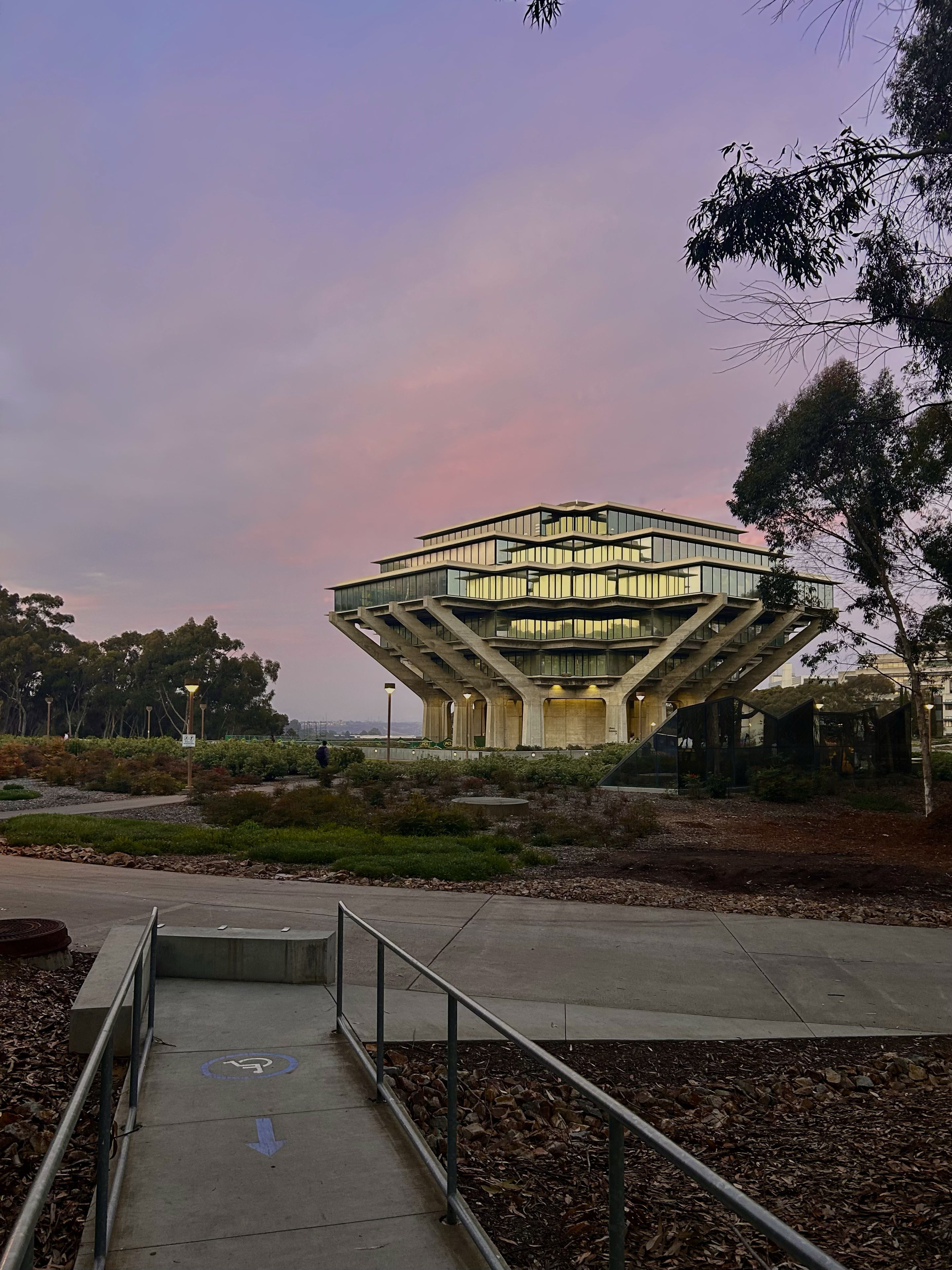
UCSD Geisel Library centrally located on main campus
UCSD Geisel Library centrally located on main campus
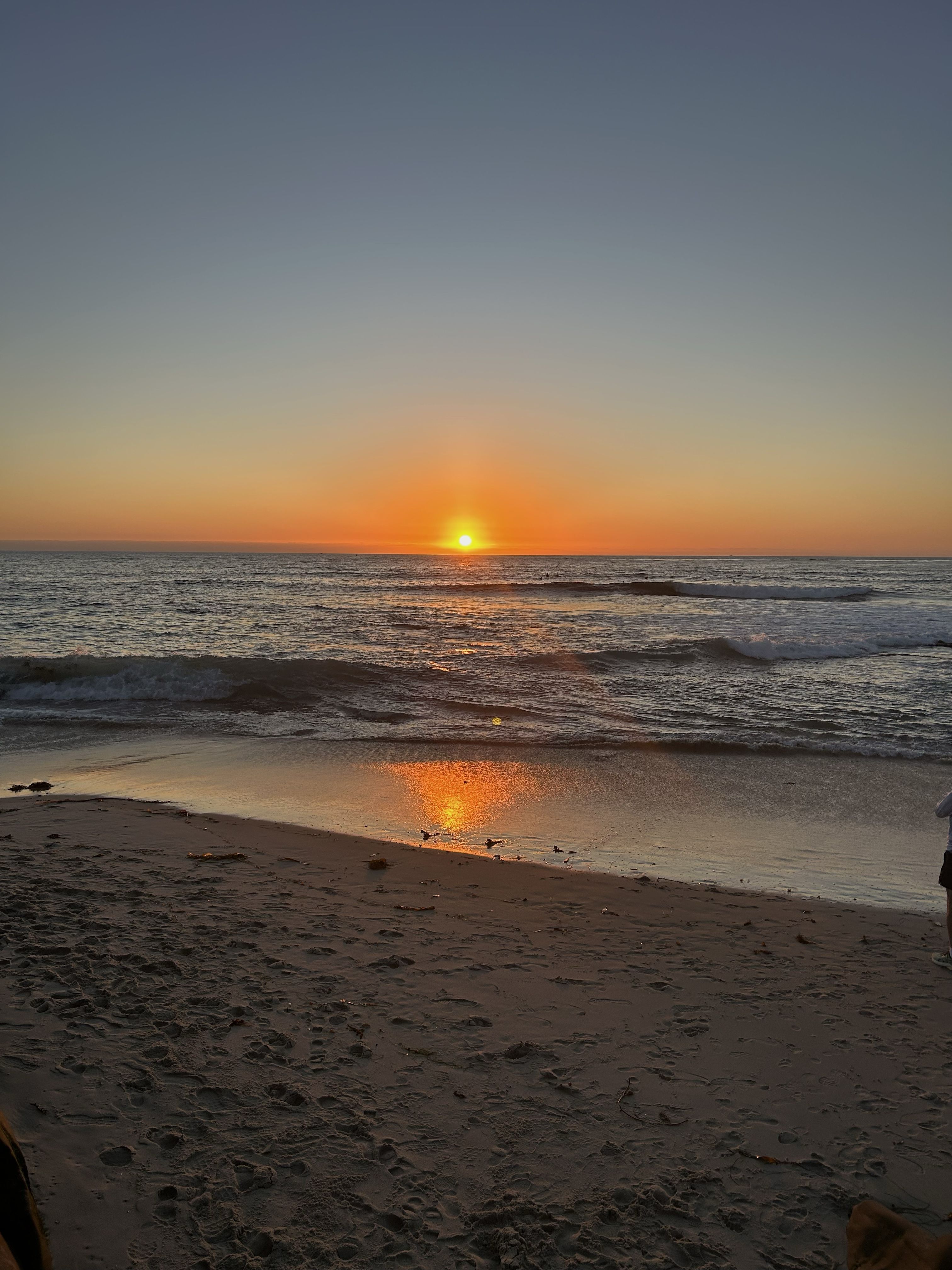
Winter sunset at Windansea Beach
Winter sunset at Windansea Beach


Before arriving, it helps to look at the university’s social calendar and student organisations. UCSD hosts cultural fairs, music festivals, sports events, and more throughout the year. University websites and student-run Instagram pages are great sources for upcoming events.
Clubs and societies also post frequently, so following a few in advance can give you an idea of what you might want to join. I particularly enjoyed the UCSD Surf Club, which offered free surf sessions at La Jolla and fun social events. The campus recreation centre also organises weekend hiking and camping trips around California, and you can rent equipment directly from them.
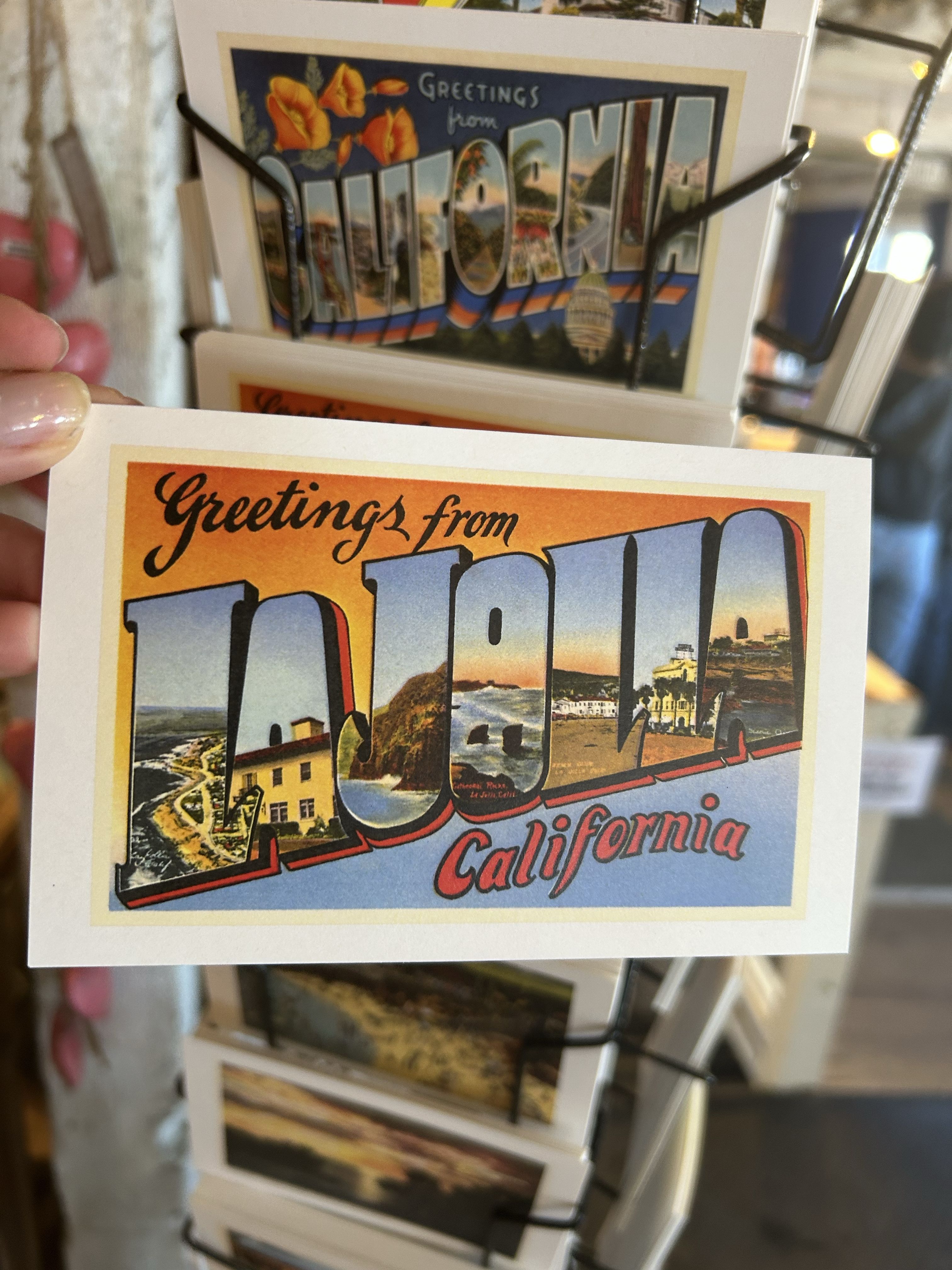
Post Card from Sunny Jim's Sea Cave Shop in La Jolla
Post Card from Sunny Jim's Sea Cave Shop in La Jolla
Another fun way to prepare is by creating a Google Maps folder of places you want to visit, cafés, beaches, museums, parks, and restaurants. It helps during the first few weeks when everything feels unfamiliar, and it’s satisfying to add new spots you discover along the way. Some of my favourite La Jolla places were Torrey Pines Beach (just a short walk from campus), Windansea Beach, Scripps Pier, and the Birch Aquarium. My favourite places to eat were Blue Whale in La Jolla and Taco Villa on campus.
One of the most memorable parts of my exchange was getting my Open Water SCUBA certification. I asked several professors where to get certified, and they recommended a dive shop called Ocean Enterprises, not far from UCSD. The certification took two weekends, one for pool dives and one for ocean dives. Although the pool sessions were a 30-minute drive inland, I carpooled with another UCSD student I met during the PADI orientation who later became my dive buddy.

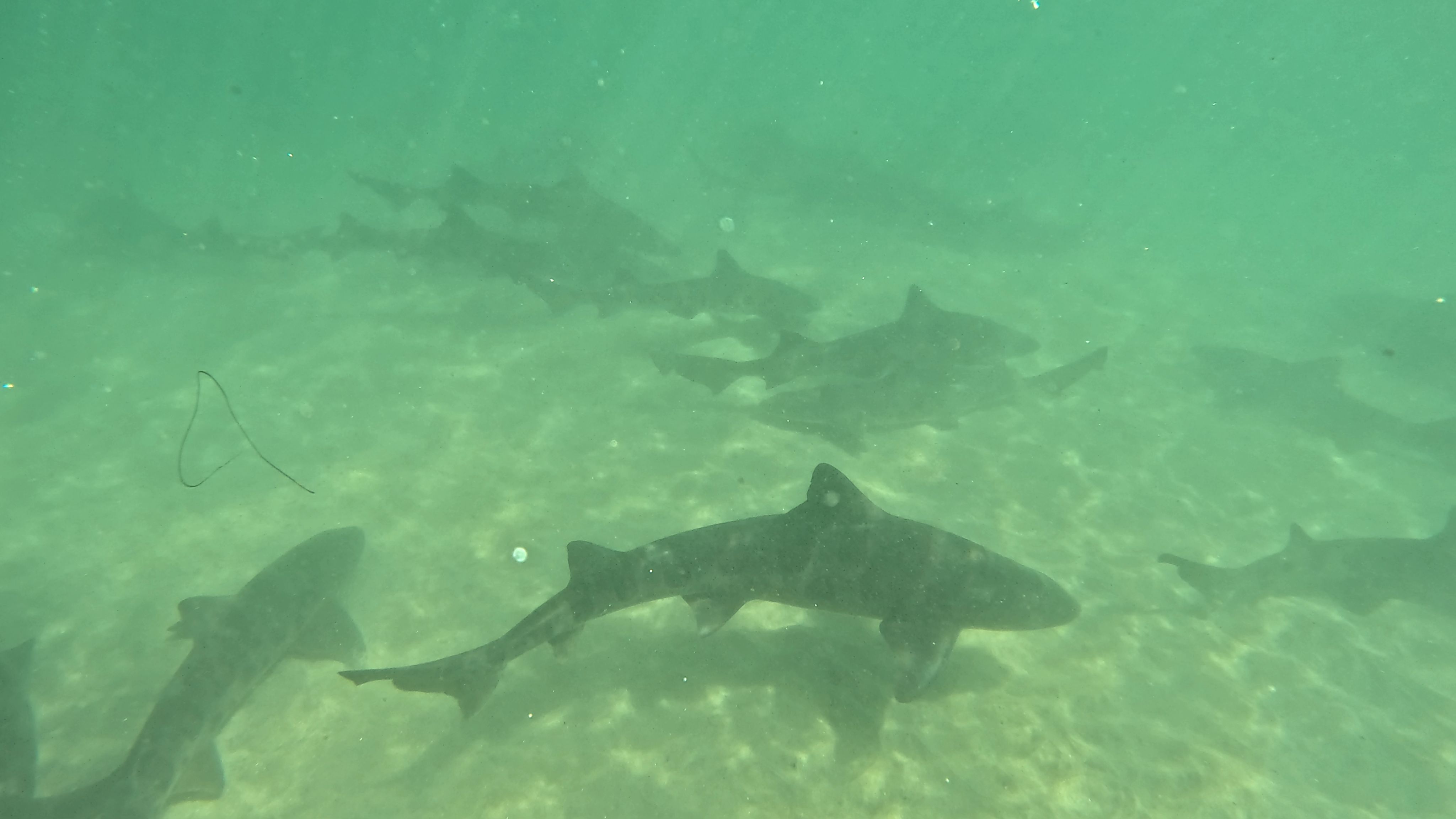
Leopard Sharks (Triakis semifasciata) beneath the surf of La Jolla Shores Beach (They are completely harmless)
Leopard Sharks (Triakis semifasciata) beneath the surf of La Jolla Shores Beach (They are completely harmless)
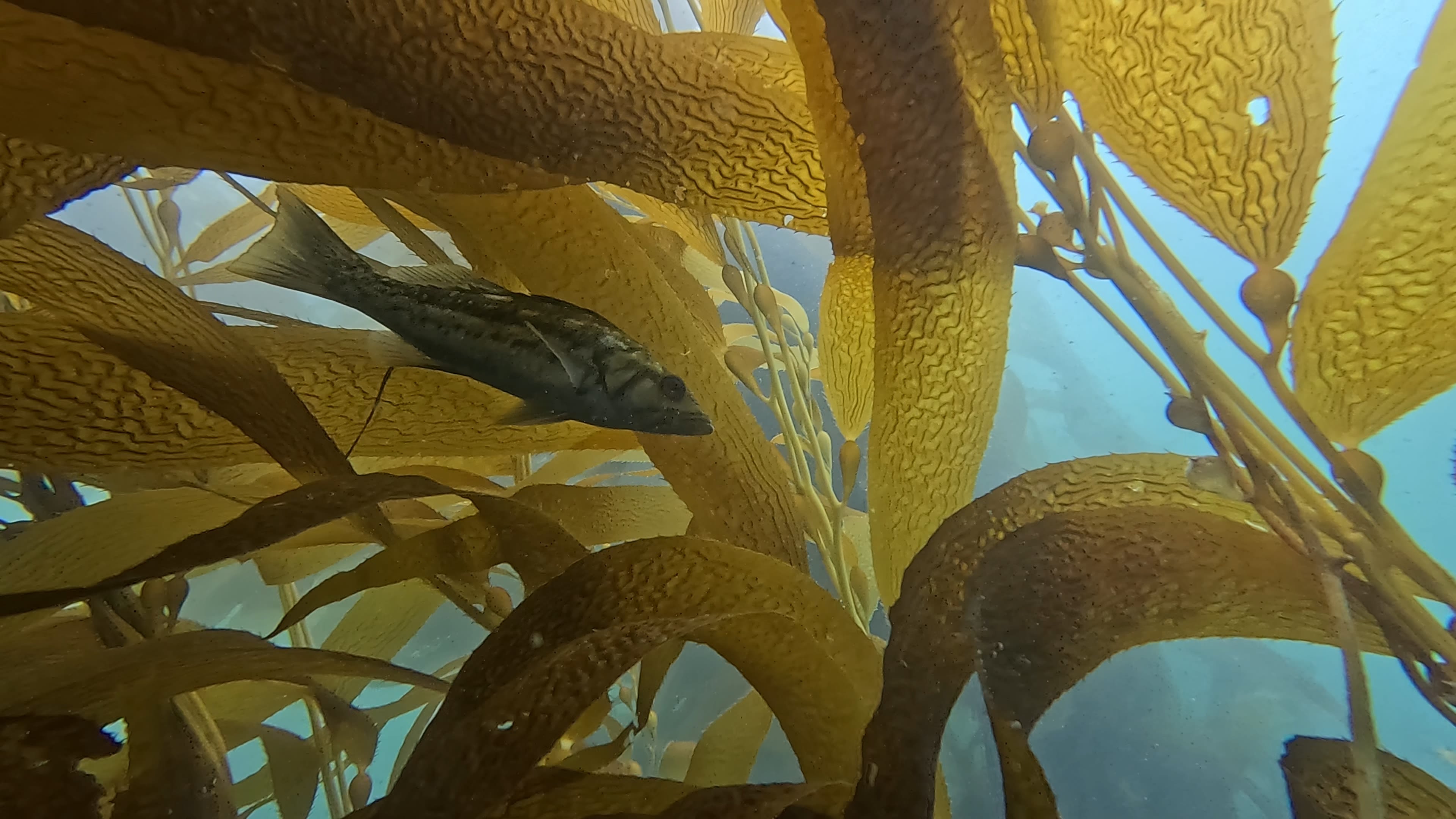
A kelp bass (Paralabrax clathratus) in the giant kelp (Macrocystis pyrifera) at 5 meters deep
A kelp bass (Paralabrax clathratus) in the giant kelp (Macrocystis pyrifera) at 5 meters deep
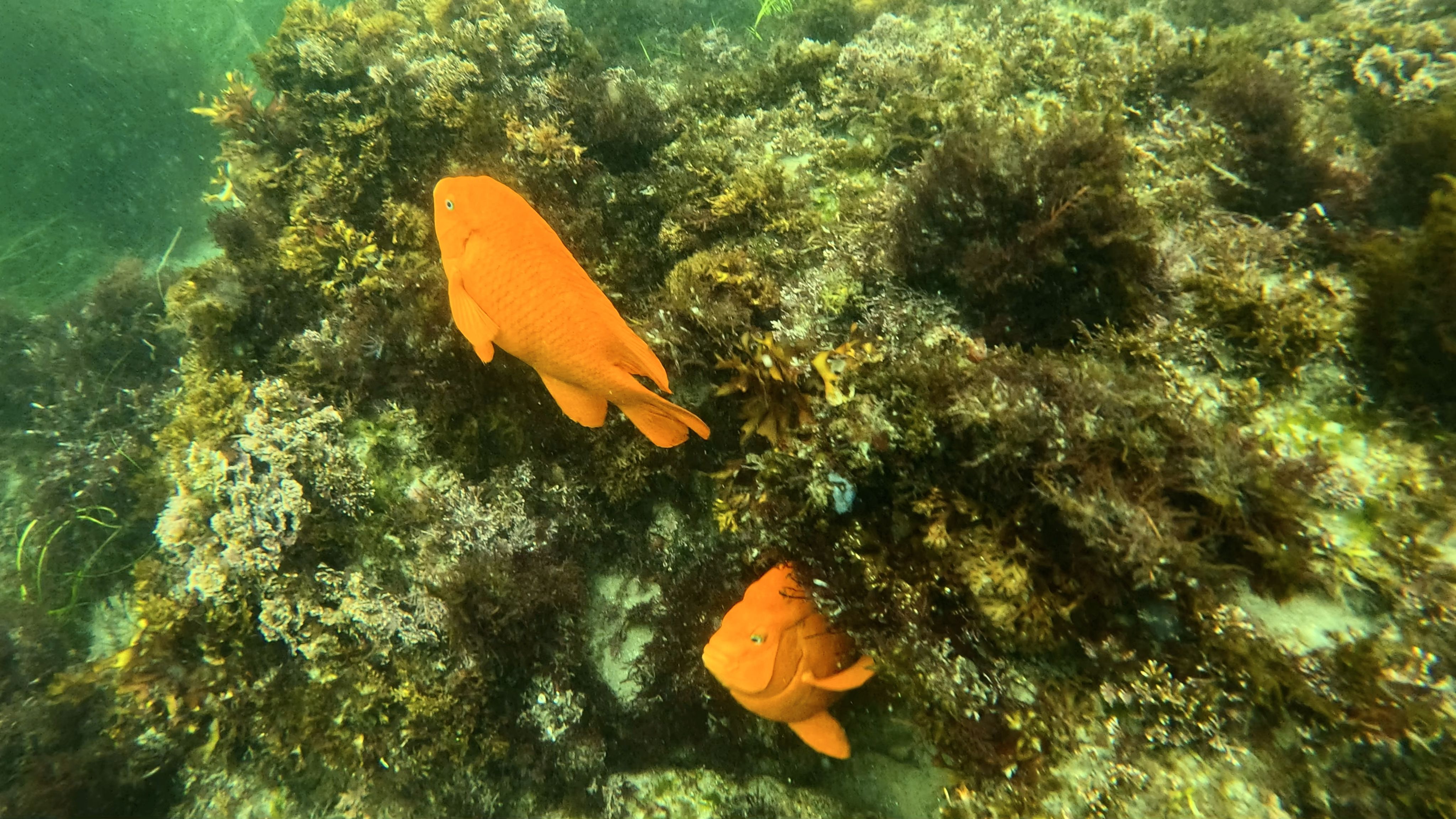
Two Garibaldi (Hypsypops rubicundus) on a rocky reef in the Maltahuayl State Marine Reserve
Two Garibaldi (Hypsypops rubicundus) on a rocky reef in the Maltahuayl State Marine Reserve


Our ocean dives took place at La Jolla Shores, just a five-minute walk from the Scripps campus. I’ll never forget the battle of putting on our masks and fins while instructors held our tanks steady against the waves before they pushed us into the surf to swim to the dive spot. Once we reached deeper water, it was all worth it. Southern California’s coast is a playground for divers. I saw halibut the size of doormats on the seafloor, bright orange Garibaldi, colourful nudibranchs, and even curious two-spot octopuses. On the dive, two large yellowtail amberjack circled my dive buddy, the divemaster, and me the entire time we ascended.
After spring exams, my dive buddy and I returned to explore the famous kelp forests near La Jolla Cove, just south of where we got certified. We swam out past the rookery where sea lions lounged on the rocks, occasionally darting past us underwater with hilarious (and slightly terrifying) curiosity.
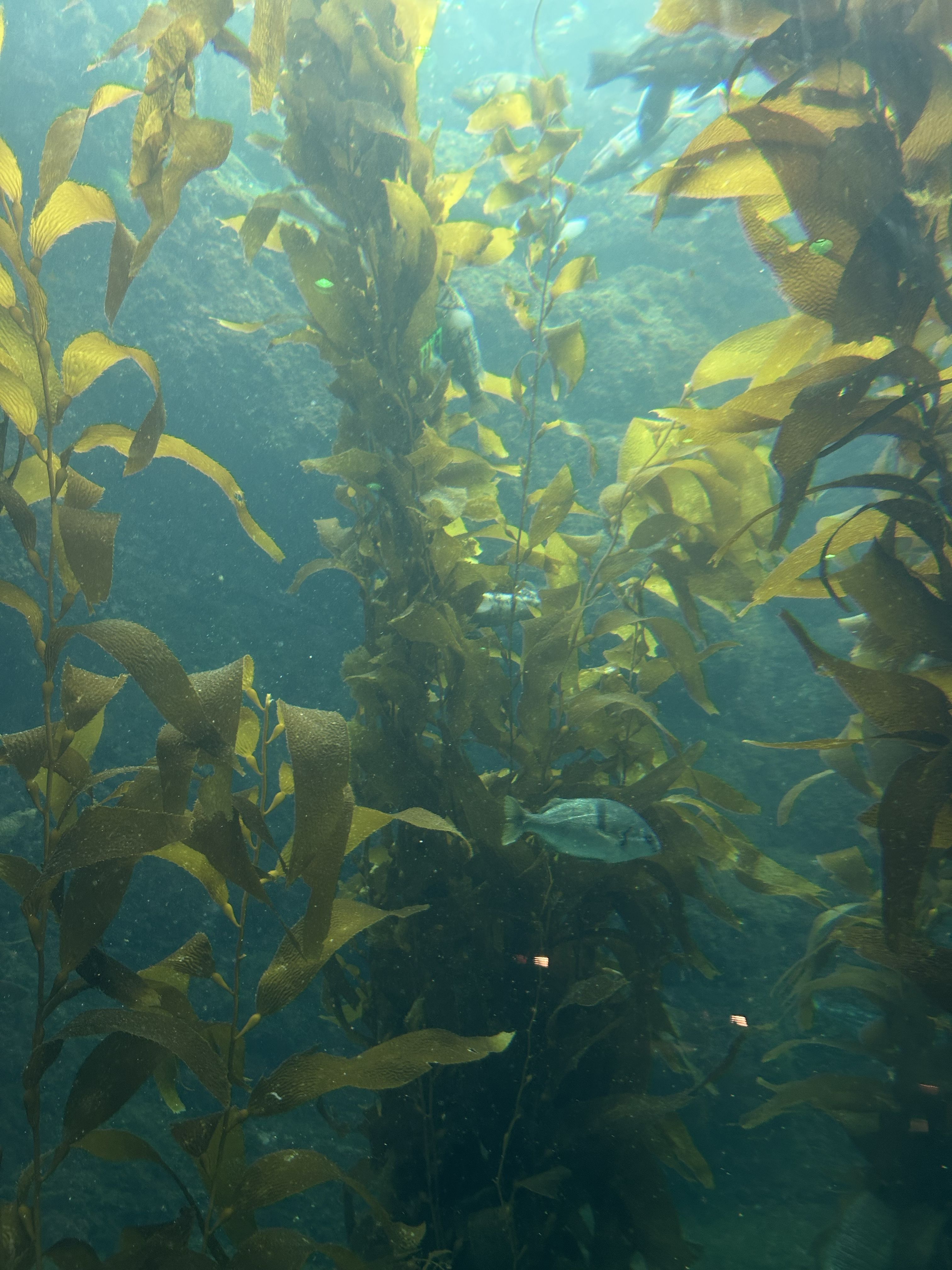
UCSD Birch Aquarium kelp forest exhibit of giant kelp
UCSD Birch Aquarium kelp forest exhibit of giant kelp
Descending into the kelp forests was an unforgettable experience. The towering stalks, 15 to 20 feet tall, swayed like underwater trees. Kelp bass and other fish weaved between the blades, while rays and spider crabs moved quietly along the seafloor. It felt like entering an alien world.
My biggest takeaway from studying abroad is to follow your curiosity and not worry about potentially doing a lot on your own at first. Six months go by quickly, and settling in often takes longer than expected. Try not to pressure yourself with expectations, stay open to opportunities, embrace the unknown, and see where the tide takes you!
Words and images by Avery Meier
To learn more about the study abroad opportunities open to University of Galway students, visit universityofgalway.ie/global-galway/outbounduniversityofgalway/