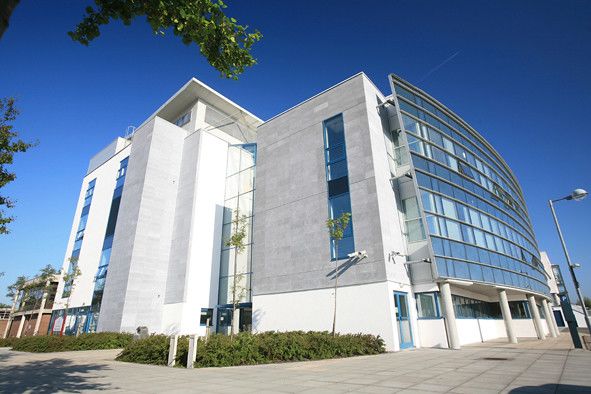
All-Ireland Peatlands Centre of Excellence
A national ecosystem becoming a symbol of global planetary health.
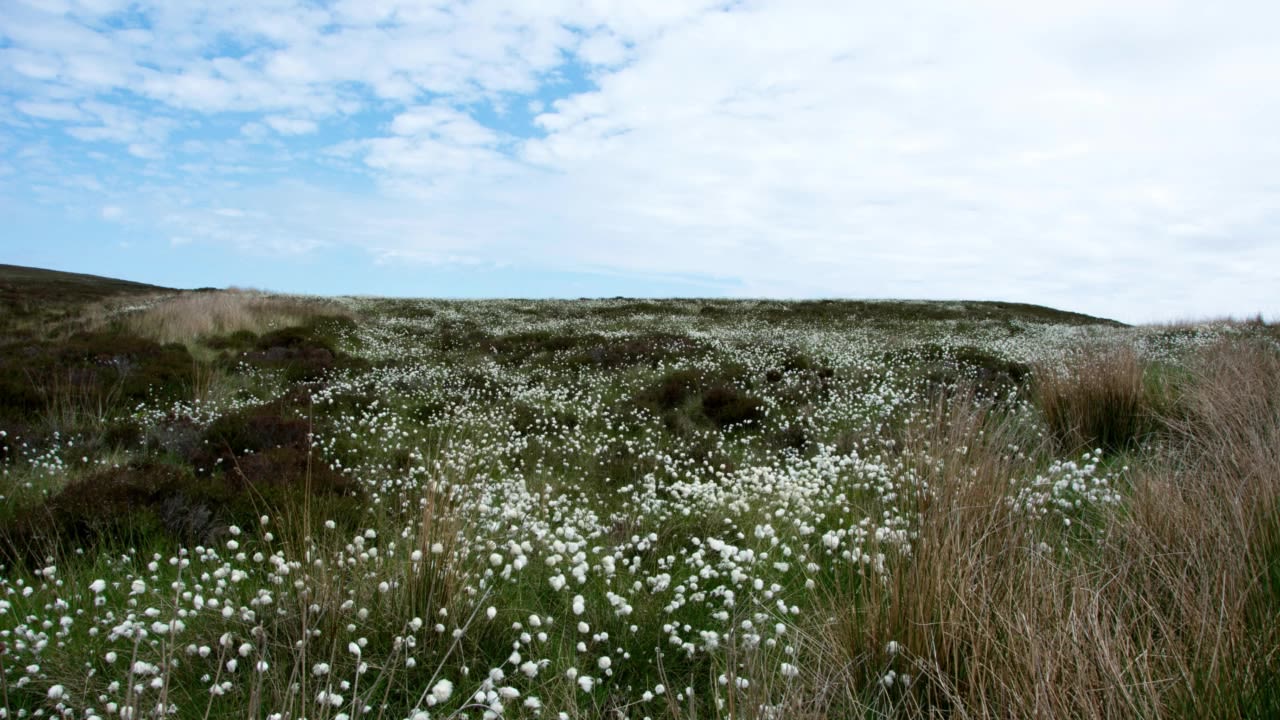

The All-Ireland Peatlands Centre of Excellence (APEX) has been established to help address critical challenges linked to peatlands, including decarbonisation, biodiversity loss, just transition, and cultural heritage.
APEX will serve as a hub for research, innovation, training, and policy development, supporting restoration and conservation efforts across the island of Ireland and beyond. By bringing together scientists, policymakers, landowners, and communities, it aims to strengthen national capacity for sustainable peatland management and ensure long-term environmental and societal benefits.
|
APEX will proide essential support, knowledge, and resources to ensure the long-term conservation of Irish peatland habitats. |
||
|---|---|---|
|
Technical expertise |
Capacity Building |
Knowledge Exchange |
|
Collaboration and Partnerships |
Development of best practices and guidelines |
Policy Support |
|
Cost savings |
Training and Education |
Engagement and outreach |
APEX encompasses four core pillars

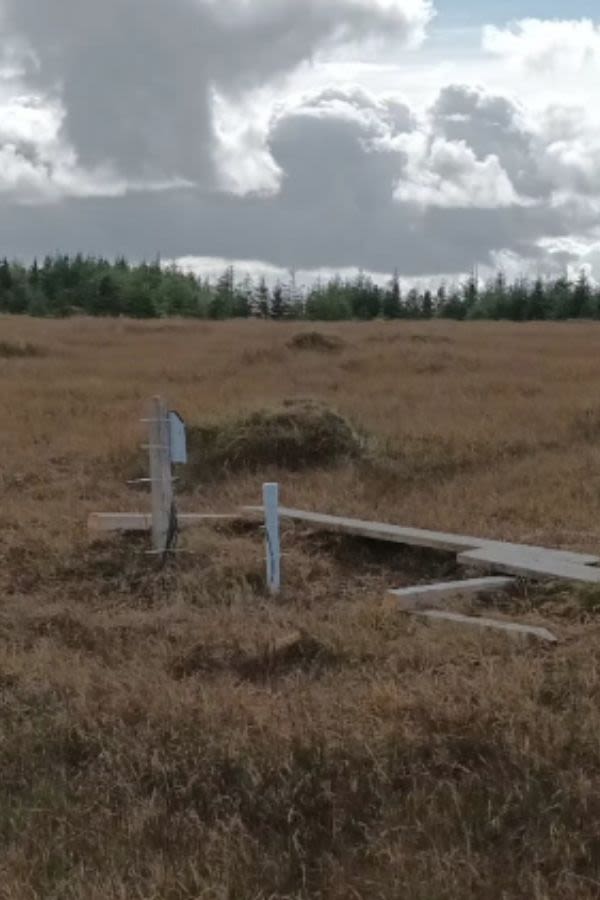
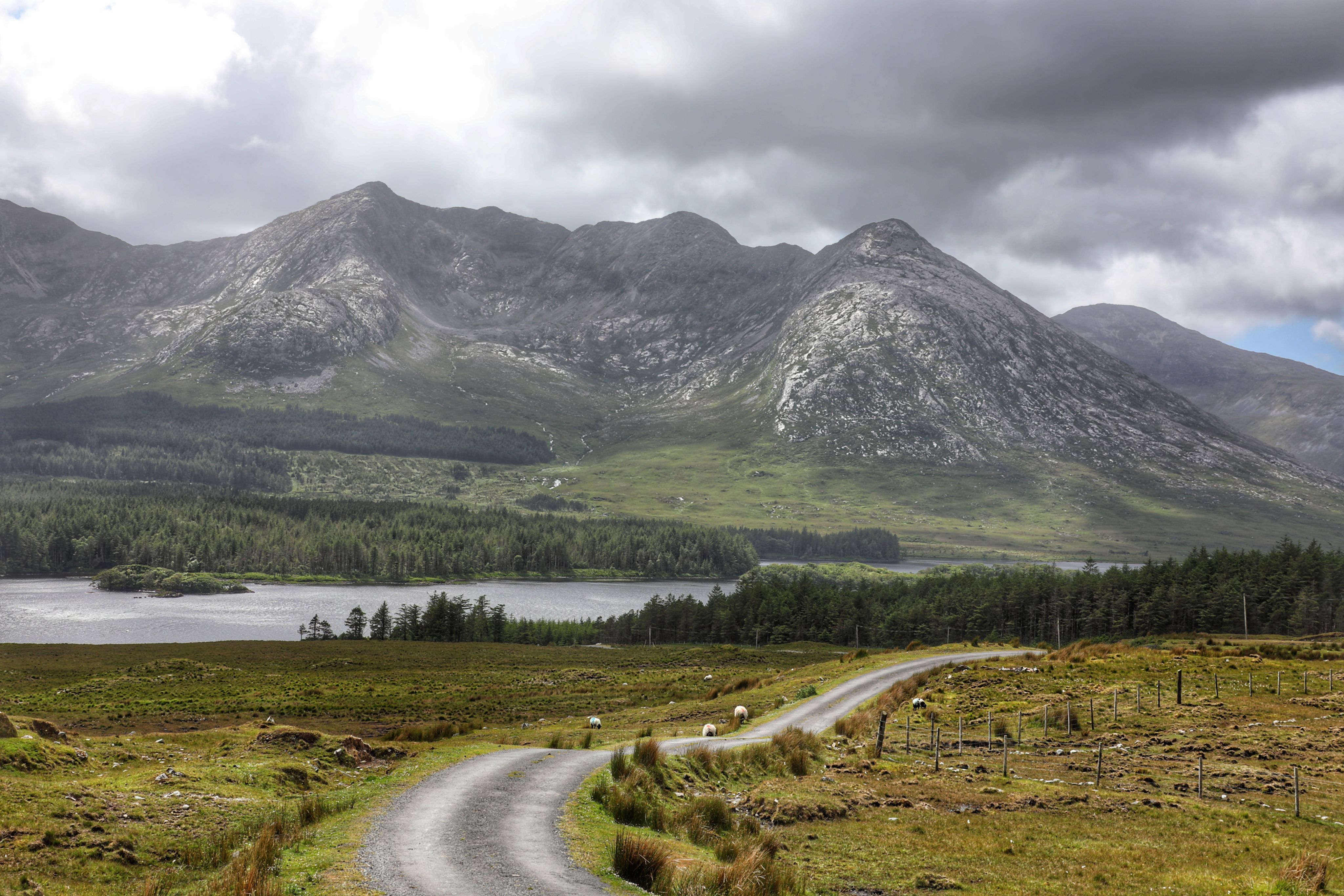
Ecology, Hydrology, and GHGs

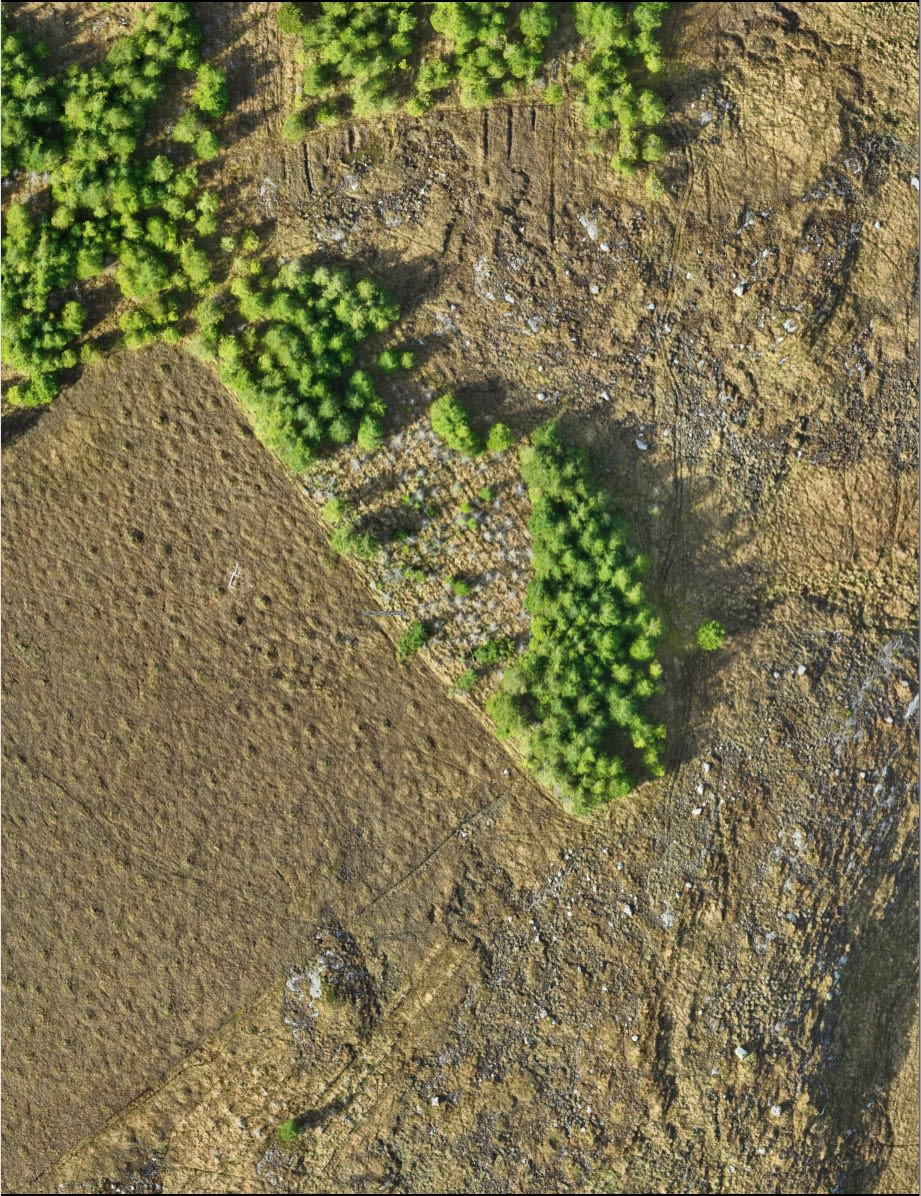
Agriculture, Forestry and Land Use

Finance, Policy and Governance

Social, Cultural and Behavioural
Ecology, Hydrology & Greenhouse Gases
Peatlands are a defining feature of Ireland’s landscape, covering over 20% of the land area. These ecosystems are crucial for maintaining biodiversity, regulating water, and stabilizing the climate. This pillar provides an overview of key research in peatland ecology, hydrology, and greenhouse gas (GHG) emissions in Ireland, drawing on decades of scientific study, national monitoring efforts, and EU-funded projects.
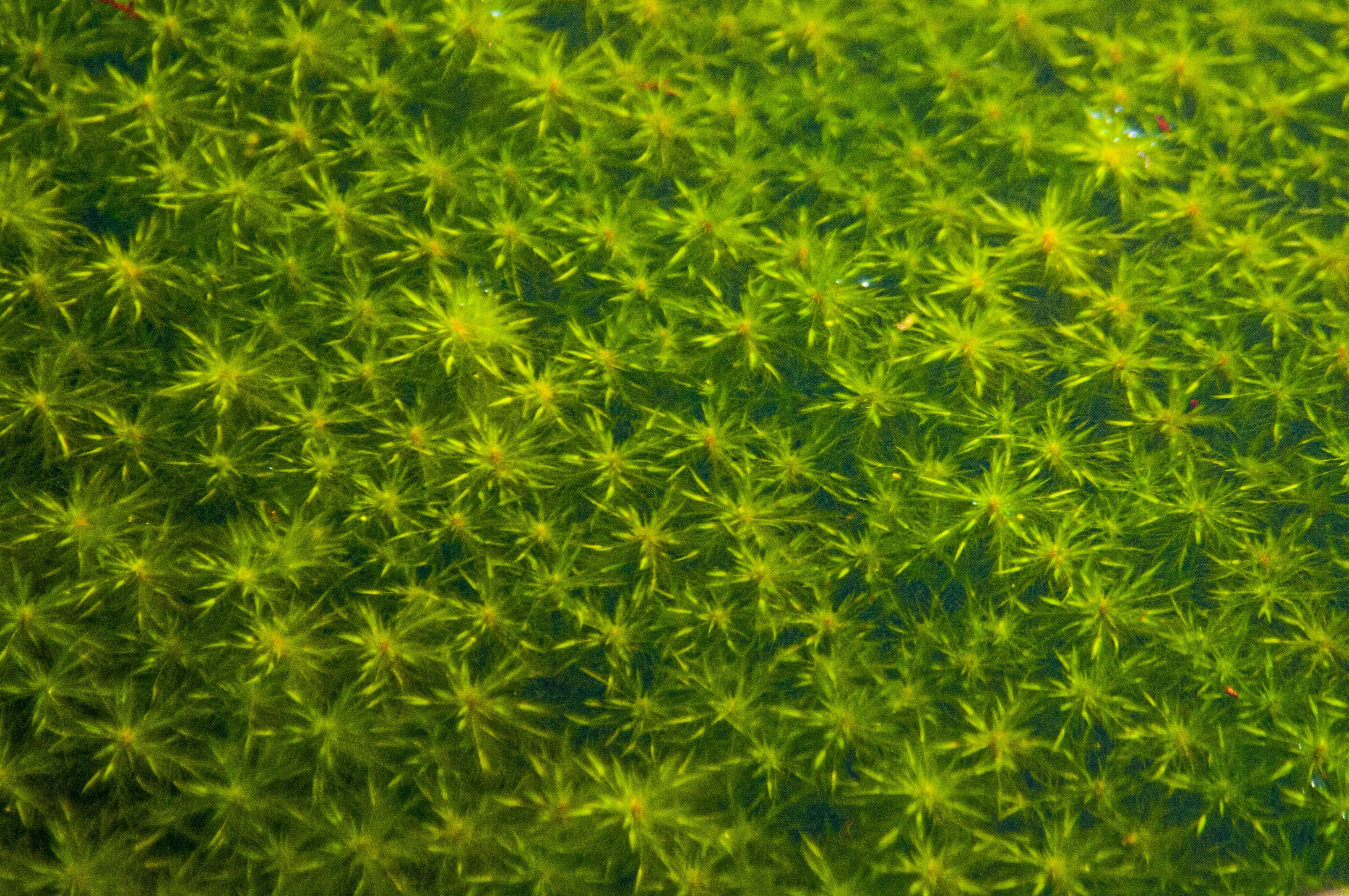
Peatland Ecology: Irish research has highlighted the rich biodiversity supported by both raised bogs and blanket bogs, including specialist flora, invertebrates, and bird species. Studies have examined the impacts of drainage, turf cutting, afforestation, and agricultural conversion on ecological integrity. More recent work focuses on restoration ecology, evaluating how rewetting and habitat rehabilitation influence vegetation recovery and ecosystem function.
Peatland Hydrology: Hydrological research has been central to understanding how peatlands store and manage water. Irish studies have documented the effects of drainage on water table levels, runoff patterns, and flood regulation. Monitoring programs have assessed how rewetting and restoration interventions can influence water retention, catchment hydrology, and downstream water quality. These insights are informing adaptive management approaches in both raised and blanket bog systems.
Greenhouse Gases: Peatlands act as both sinks and sources of greenhouse gases, depending on their condition. Research in Ireland has quantified emissions of CO₂, CH₄, and N₂O from drained, actively extracted, and restored sites. The EPA-funded Peatland GHG Research Programme, along with EU LIFE and Horizon projects, has developed emission factors for Irish peatlands and contributed to national GHG inventories. This work underpins Ireland’s climate commitments and land-use policy, especially regarding the transition to climate-resilient landscapes.


Agriculture, Forestry, & Land Use
Peatlands in Ireland have been significantly shaped by historic and ongoing land use, particularly agriculture and forestry, which continue to exert major influence on their condition and carbon dynamics. Research in this area has focused on quantifying the environmental impacts of land-use change and exploring sustainable alternatives for peatland management.
Agricultural Use of Peat Soils: Many lowland peatlands have been drained and converted to grassland for grazing. Studies have documented how drainage alters soil structure, lowers water tables, and leads to persistent carbon dioxide emissions through peat oxidation. Ongoing research is exploring low-emission farming practices, paludiculture (wetland-compatible agriculture), and rewetting strategies that maintain some productivity while reducing climate impacts.
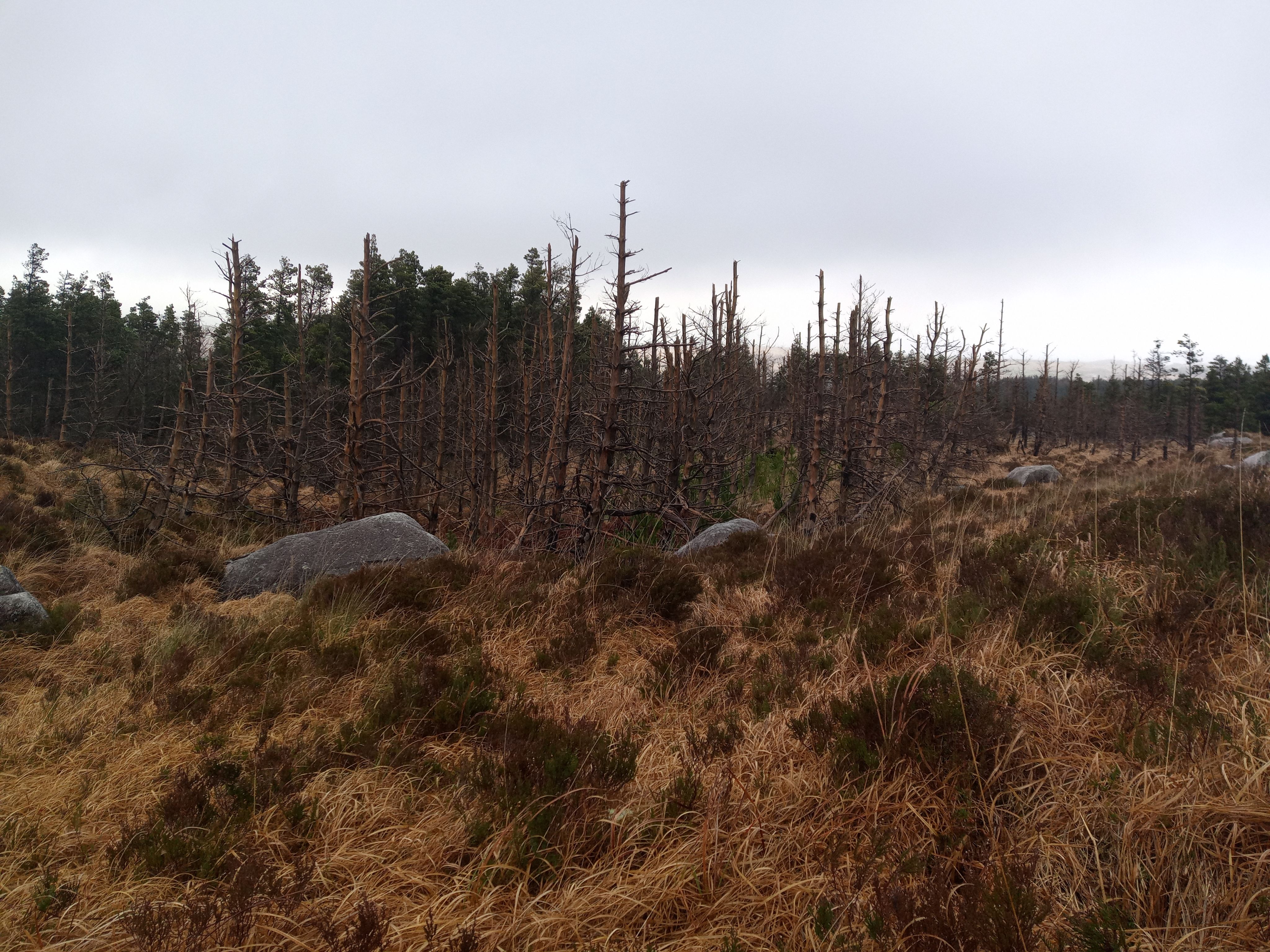
Forestry on Peatlands: Large areas of upland blanket bogs were afforested during the 20th century, particularly with non-native conifers. Research has highlighted the negative effects of this land use on biodiversity, hydrology, and GHG emissions. Projects like FORESTPEAT and national surveys have informed guidelines for decommissioning forests on peat, rewetting, and restoring natural vegetation.
Integrated Land-Use Planning:
Recent studies have emphasized the need for landscape-scale approaches that integrate climate, water, biodiversity, and socio-economic goals. The National Land Use Review, led by agencies like the EPA and Teagasc, is assessing how land use on peat soils can align with Ireland’s Climate Action Plan, CAP objectives, and EU biodiversity targets.

Finance, Policy, & Governance
A combination of national policies, strategic funding initiatives, and collaborative governance structures underpins Ireland's approach to peatland restoration and sustainable management. These efforts aim to address the ecological and climate challenges posed by degraded peatlands while promoting community engagement and economic resilience.
National Policy and Strategic Frameworks
- National Peatland Strategy (2015): This foundational policy document outlines Ireland's commitment to the conservation and sustainable management of peatlands. It emphasizes the importance of peatlands in biodiversity conservation, carbon sequestration, and cultural heritage preservation.
- Peatlands and Climate Change Action Plan 2030: A strategic plan focusing on the restoration of degraded peatlands, enhancing their role as carbon sinks, and integrating climate considerations into land-use planning.
- EU and International Commitments: Ireland aligns its peatland policies with EU directives and international agreements, including the Habitats Directive and the United Nations Framework Convention on Climate Change, to ensure compliance and contribute to global conservation efforts.
Funding Mechanisms and Financial Support
- Carbon Tax Fund: Allocated annually to support peatland restoration projects, with €5 million designated for the Raised Bog Restoration Programme since 2020, supplemented by additional funding in 2024. oireachtas.ie
- Peatlands Community Engagement Scheme: Provides grants up to €40,000 for designated sites and €20,000 for undesignated peatlands, supporting community-led initiatives such as conservation management plans, education programs, and restoration measures. gov.ie+2gov.ie+2npws.ie+2
- LIFE and INTERREG Projects: EU-funded programs like the €5 million "The Living Bog" project and the €21 million Wild Atlantic Nature initiative focus on large-scale restoration efforts and cross-border collaboration, particularly in high nature value areas. oireachtas.ie+1gov.ie+1
- Peatland Finance Ireland: An innovative model for funding and rewarding peatland restoration, aiming to establish a national financing system that supports large-scale rehabilitation efforts. peatlandfinance.ie+1npws.ie+1
Institutional Collaboration and Governance
- National Parks and Wildlife Service (NPWS): Plays a central role in implementing restoration programs, monitoring ecological outcomes, and managing protected peatland sites.
- Bord na Móna: A state-owned company leading significant restoration initiatives, including a €108 million plan to restore over 100 million tonnes of carbon storage capacity, employing local communities in the process. bordnamona.ie
- European Investment Bank (EIB): Collaborates with the NPWS to scale up peatland rehabilitation efforts, providing technical support and facilitating investment in natural capital. npws.ie
- Community Engagement: Local communities are actively involved through various schemes and projects, fostering a sense of ownership and stewardship over peatland resources.
Key Resources and Further Reading
- Peatland Finance Ireland
- National Parks and Wildlife Service
- Department of Housing, Local Government and Heritage
- Bord na Móna Peatland Restoration Plan

Social, Cultural, & Behavioural Pillar
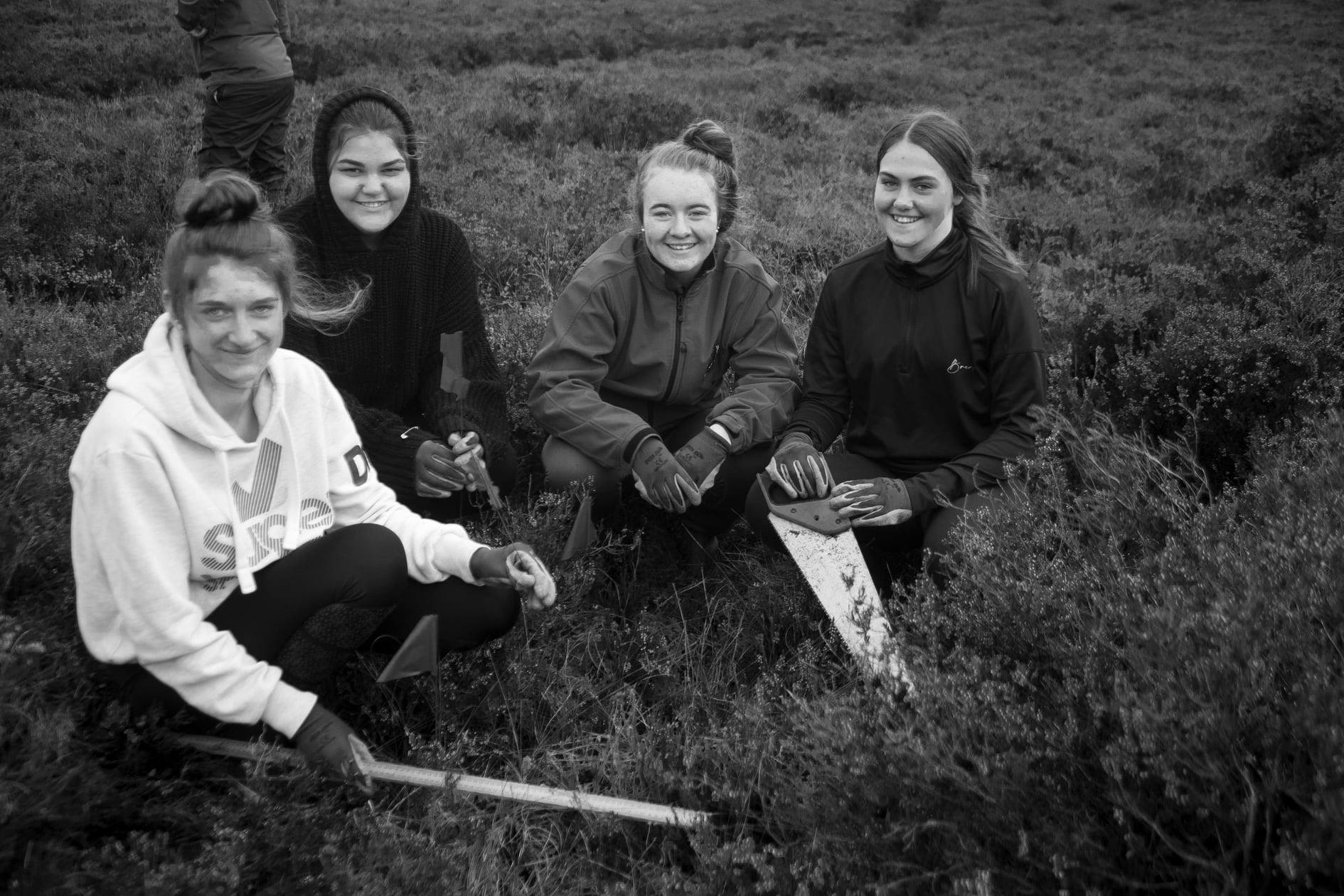
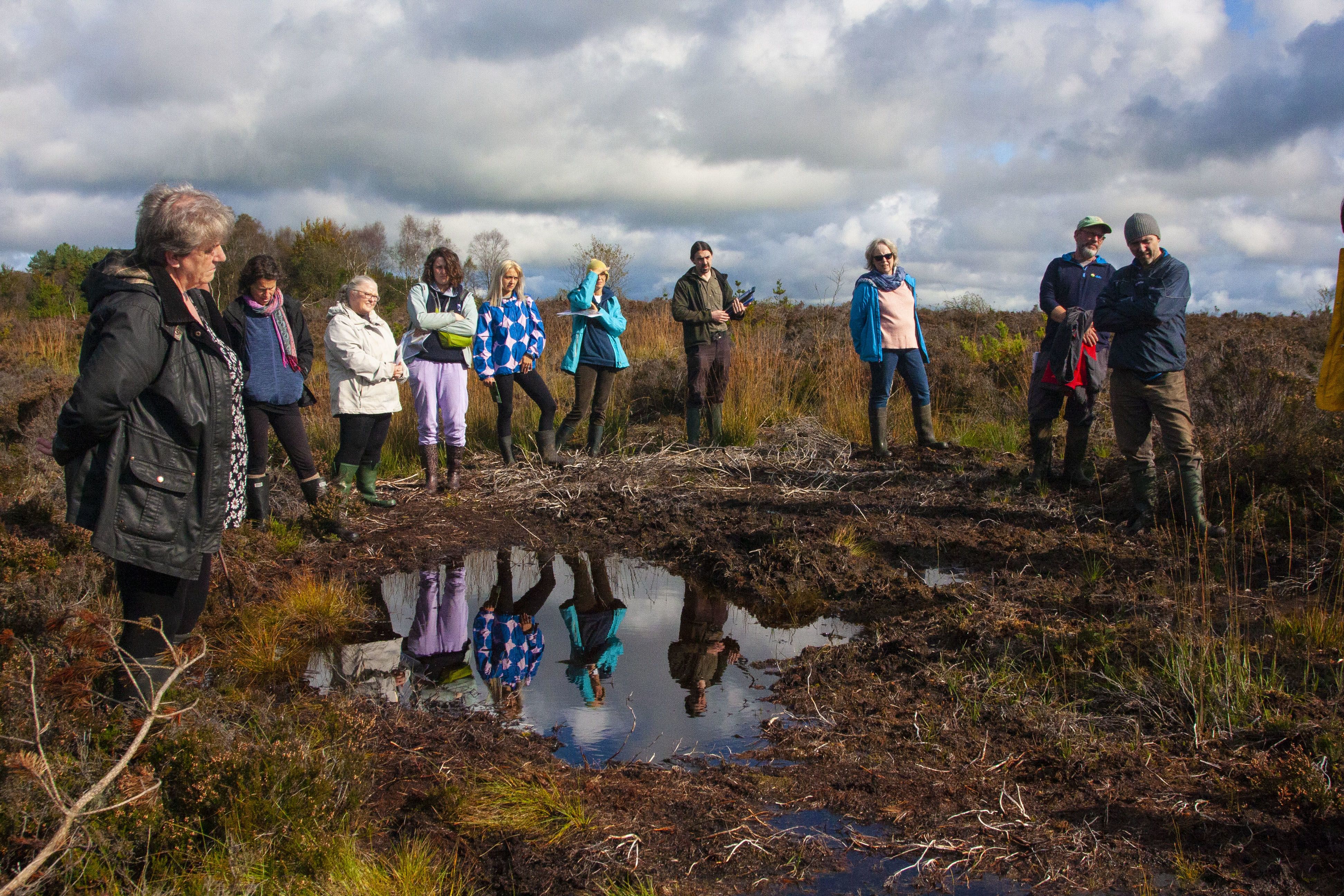
Connecting Communities with Peatlands (CCWP) – a Just Transition Fund–supported initiative led by Irish Rural Link and Community Wetlands Forum. Since 2021, it has empowered over 30 community groups across eight midlands counties through training in ecology, heritage, arts, conflict resolution, and sustainable tourism, fostering peer mentoring and stronger local capacity theguardian.com+9irishrurallink.ie+9jtrg.ucd.ie+9.
In particular, Scohaboy, Cloonlarge, Carrowbehy, and Cloncrow bogs have benefitted from community-led restoration, trail development, enhancement of biodiversity, and cultural heritage celebration communitywetlandsforum.ie.
Peatlands are deeply embedded in Irish culture—spanning oral traditions, literature, songs, and art. Community Wetlands Forum emphasizes "biocultural diversity," supporting heritage projects, art exhibitions, and museums to honor this legacy while fostering new place-based traditions communitywetlandsforum.ie.
Example: Carrownagappul Bog inspired composer Bill Carslake and photographer Tina Claffey—resulting in new music and exhibitions tied to local ecology communitywetlandsforum.ie
Peat Hub Ireland (UCD/EPA) consolidates interdisciplinary research—including social sciences, ecology, archaeology, and arts—to guide sustainable peatland management, acknowledging the human dimensions of the transition.
LIFE IP Peatlands & People—an EU-funded flagship (€127 M) project—is driving peatland restoration, community engagement, just-transition accelerators, and public education through a Peatlands Centre of Excellence.
Large-scale industrial peat extraction (e.g., Bord na Móna) officially ended in 2020, though domestic turf cutting—rooted in tradition and turbary rights—persists, especially in rural areas irishtimes.com+9reuters.com+9ft.com+9.
Efforts to re-wet and restore bogs face resistance due to land ownership fragmentation, cultural attachment, and economic concerns—particularly among older generations irishtimes.com+2irishtimes.com+2jtrg.ucd.ie+2.
Behavioural change is central to restoration success. Community buy-in and integrating traditional connections with scientific best practices in water management and biodiversity conservation is crucial for success.
The transition toward sustainable land use is reframing local economies—such as eco-tourism, renewable energy sites, trails, and learning centres—helping shift public value perceptions of peatlands from fuel sources to cherished natural and cultural assets.
emerald.com+1webgate.ec.europa.eu+1.

Affiliated Researchers

International Advisory Board
We are currently recruiting Advisory Board members who will oversee the activities of the Centre
Our Funders
|
|
|

Contact us!
All-Ireland Peatlands Centre of Excellence
University of Galway
101 Orbsen Building
Galway, Ireland
Email: peatlands@universityofgalway.ie