
Dr. Kasia Whysall
Associate Professor of Physiology

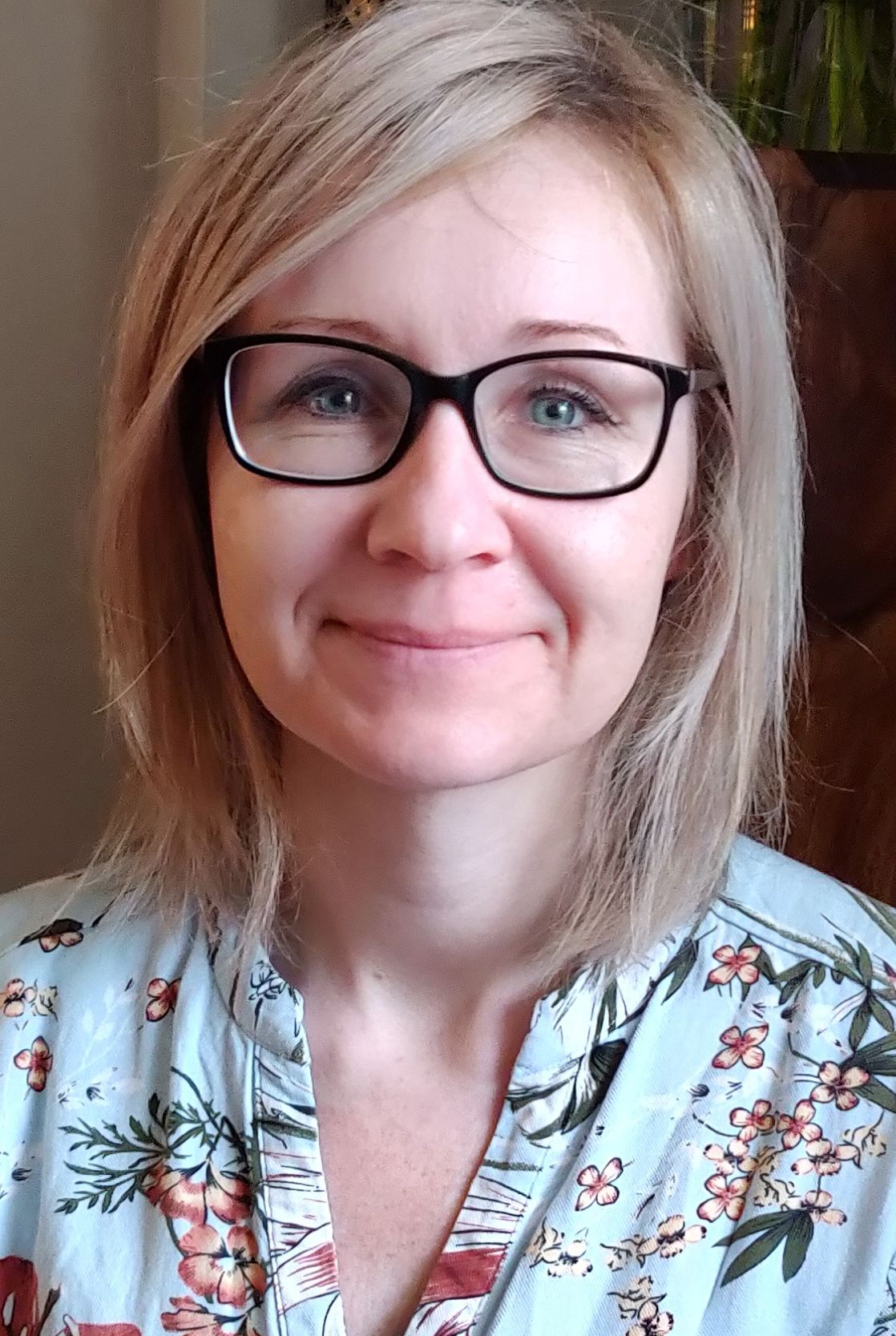
Dr. Kasia Whysall is an Associate Professor in Physiology. Her research aims to understand the mechanism underlying ageing and associated muscle loss and frailty to develop ground-breaking RNA therapies.
Irreversible muscle loss is a major healthcare burden that will increase with our ageing population. Muscle loss leads to frailty and hospitalisation and predicts morbidity and mortality. Exercise can delay, but not reverse muscle loss, and there is currently no cure. Underlying muscle loss are multifactorial changes in gene expression, which are not well understood; however, microRNAs, robust gene expression regulators, have been implicated in muscle loss regulation.
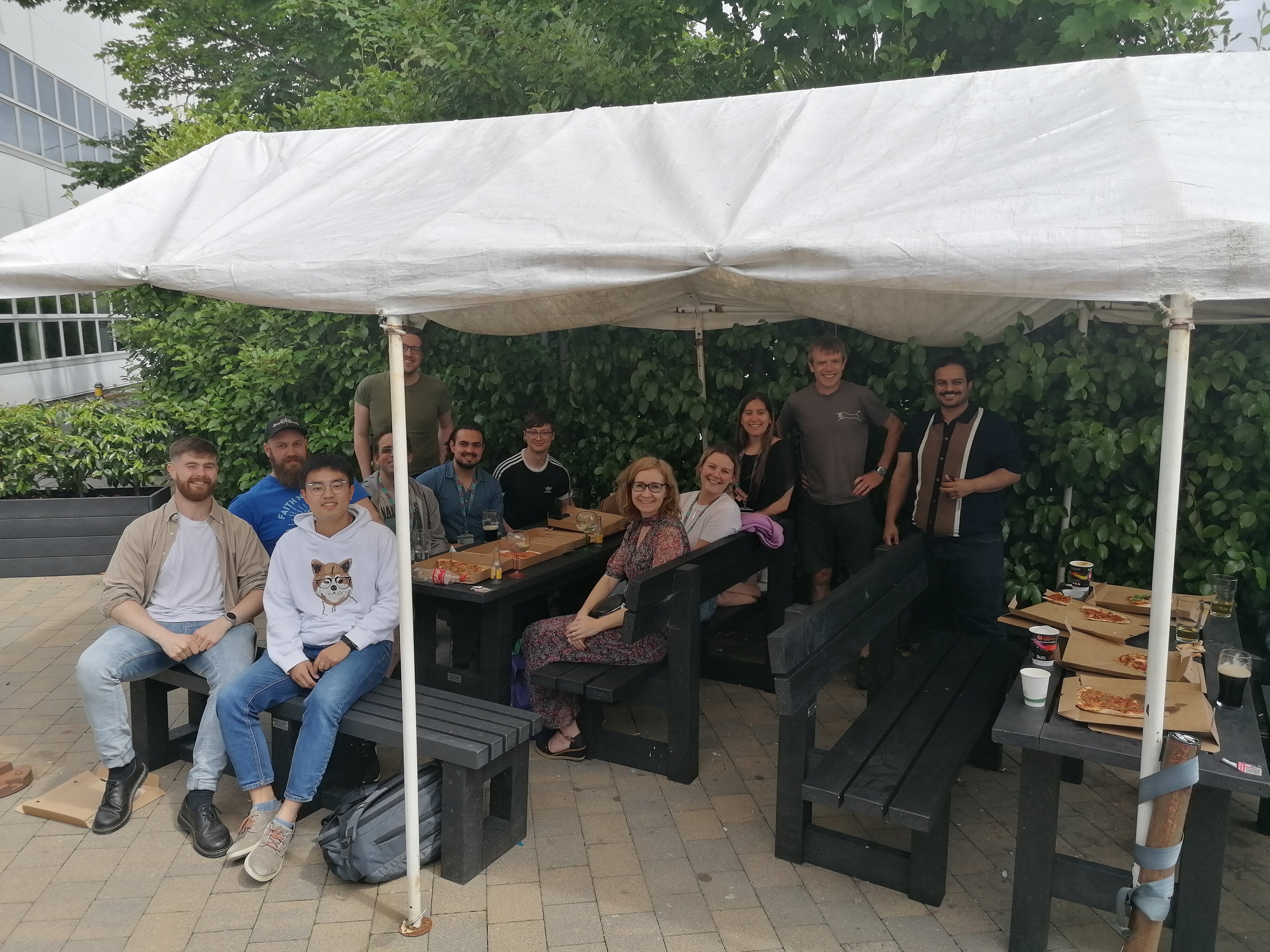
Dr. Whysall leads a team of dedicated researchers that focuses on understanding gene expression regulation during muscle ageing and disease with a specific focus on microRNA-related and epitranscriptomic mechanisms. The ultimate goals is to translate these findings into RNA-based therapies to advance healthcare and societal wellbeing.
Dr. Whysall’s early work was one of the first to demonstrate the role of microRNAs in muscle development. Since establishing her research group, she undertook research in a new and understudied but important area –epigenetic mechanisms in ageing. She proposed a mechanistic insight into the role of miRNAs in sarcopenia development and made significant contributions to increase our current understanding of the involvement of miRs in regulating the molecular events governing ageing.
Dr. Whysall’s work funded by Science Foundation Ireland, Irish Research Council and Health Research Board, and previously Biotechnology and Biological Sciences Research Council (BBSRC) and Dunhill Medical Trust, focuses on miR-based approaches to ameliorate muscle loss and ageing, understanding the impact of biochemical modifications of microRNAs and establishing the potential of microRNAs as biomarkers of muscle loss, frailty and ageing. She is also interested in the development of RNA-based therapies for rare disorders.
“Eventually, I would like to see therapeutics based on microRNA developed for ageing and muscle loss. To achieve this, we need to keep investigating what happens to microRNAs in muscle in different stages of life, such as during exercise, in younger and older people, and in women compared with men. With this knowledge, we could better tailor existing exercise and nutrition programmes alongside finding new drugs to slow down muscle loss, frailty and ageing.”
Dr. Whysall is also an enthusiastic advocate of equality, diversity and inclusion and has been acting as a Vice-Dean for Equality, Diversity and Inclusion in the College of Medicine, Nursing and Health Sciences:
Linked stories:


 Built with Shorthand