Osteoporosis:
A Disease That Shatters Lives
Predicting Risk, Informing Policy, and Transforming Care in Ireland


Summary of the Impact
Every 3 seconds, an osteoporotic fracture occurs, just as quickly, our validated clinical tool (DXA-MAP) can accurately (95% confidence) estimate the probability of osteoporosis. Underpinned by AI, it supports personalised assessment and targeted screening, improving diagnostic efficiency. For the first time, we've quantified osteoporosis prevalence and major osteoporotic fracture incidence in Irish adults aged > 50 years. We validated the Osteoporosis Self-assessment Tool Index (OSTI) in Ireland and explored AI-driven bone mineral density prediction models. Our Augmented Reality (AR) exergames clinical trial shows promise in reducing falls and pain. Through Ireland’s first osteoporosis coffee mornings, we’ve engaged the public, bridging research with societal, educational, and clinical impact.

Research Description
Funded consecutively by the Health Research Board (HRB), our research addresses major challenges in Irish osteoporosis care. DXA (Dual-energy X-ray Absorptiometry) is the gold standard diagnostic tool. National data on prevalence and fracture risk were unknown as Ireland lacks a screening programme. Partnering with three healthcare centres, we provided the first national estimates of osteoporosis prevalence, major osteoporotic fracture (MOF) incidence, and clinical tool validation using DXA [1]. Our findings show osteoporosis is more prevalent than previously reported, especially in older adults, emphasising the need for earlier diagnosis, intervention, and national policy action.
1 in 3 men and 1 in 5 women die within a year of a hip/spine fracture. Fracture-related healthcare costs reached €1 billion (2020), projected to double by 2030. Research shows up to 50% of fractures are preventable with proper screening/treatment.
Using DXA-data integrated with hospital-data from 2001–2024, we developed and fully validated (internally and externally) the DXA-MAP tool, a clinical tool that estimates osteoporosis risk in just three seconds [journal paper forthcoming].
International evidence supports targeted DXA screening, which measures bone strength to help detect osteoporosis and prevent fractures before they occur. Although validated elsewhere, we were the first to validate the OSTi (Osteoporosis Self-assessment Tool Index) in Ireland, showing its potential to improve screening efficiency [2]. Our research also highlights the potential of machine learning and deep learning to classify and predict osteoporosis [3] and bone mineral density (BMD) [4], validating it for diagnosing osteoporosis in Ireland and enhancing early detection and risk stratification.
We found that 1 in 6 people with Rheumatoid Arthritis has a major osteoporotic fracture, highlighting the importance of checking bone strength in this high-risk group [5]. Our results also show that hip bone density in Irish adults is similar to international reference data, making it reliable for diagnosing osteoporosis [6].
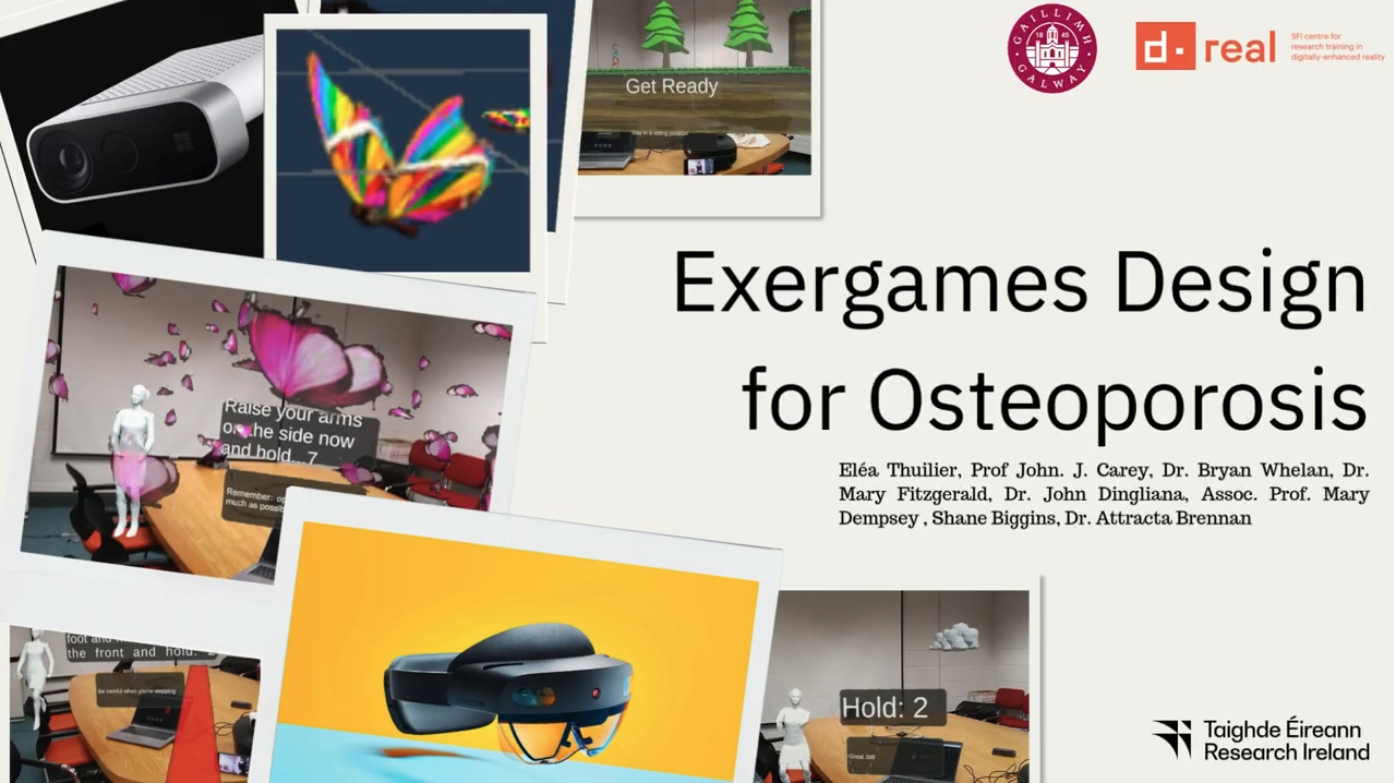
Alongside diagnostic advancements, our research also focused on improving physical outcomes and confidence for those living with osteoporosis. We developed a novel clinical intervention incorporating augmented reality (AR) exergames. We conducted a Clinical Trial where 41 participants (aged 60-86y) completed twice-weekly, six-week sessions of 25minutes duration/session. The intervention group used the AR exergame training; the control group performed traditional exercises. Both groups improved in pain, strength, and flexibility, with the osteoporosis therapy [journal paper forthcoming].
Our research supports a national screening programme that could eliminate >€100 million in unnecessary testing and treatment annually, improving patient outcomes and clinical efficiency.



Details of the Impact
Clinical Impact
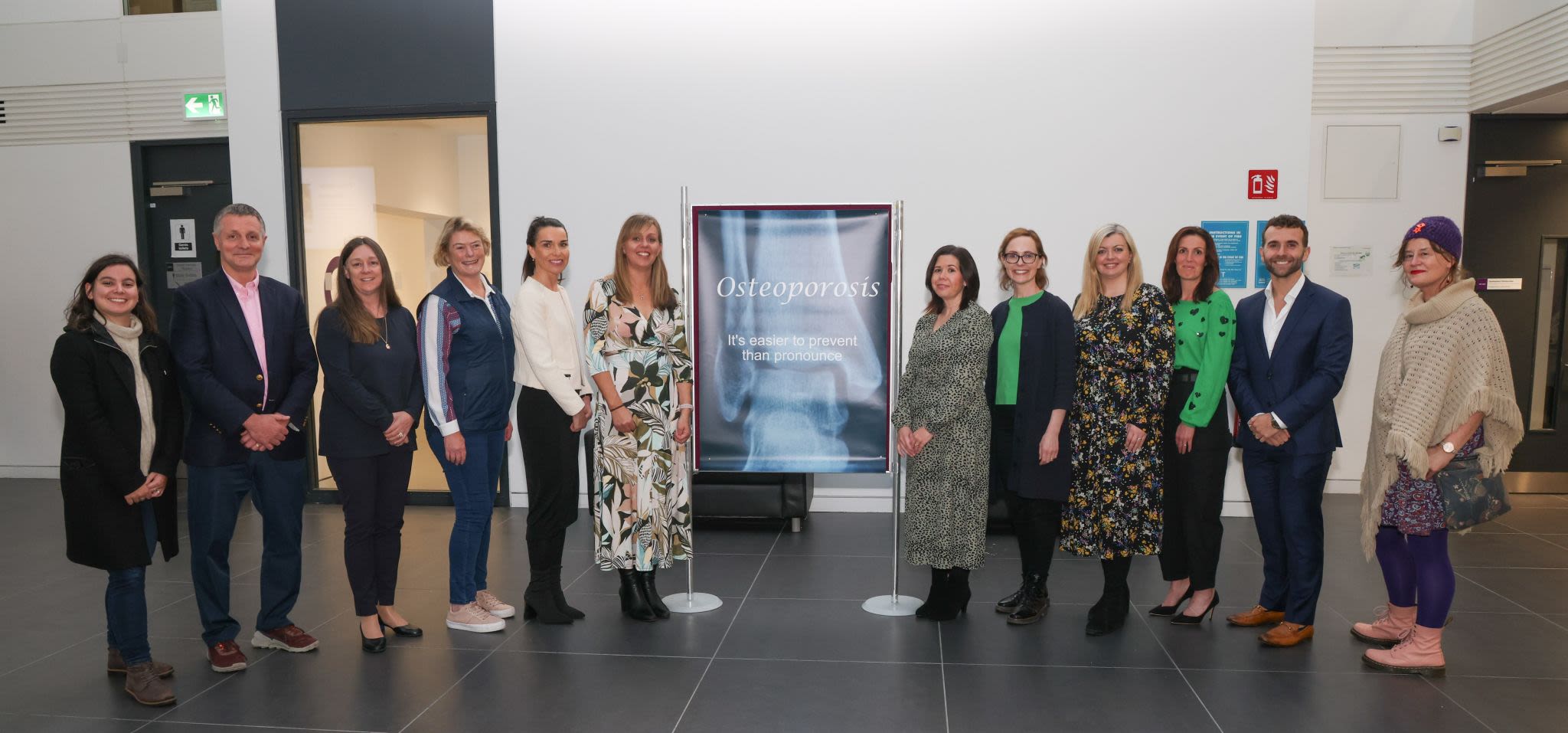
On World Osteoporosis Day (2022–2024), we piloted the DXA-MAP tool to 64 healthcare professionals and 65 members of the public at UCHG. 96% rated its usefulness at 3 out of 5/higher, showing strong positive feedback. Both groups valued the tool’s clear, visual risk display (adjusted for age, weight, and height), and >30% felt less worried about osteoporosis afterwards [Journal paper forthcoming]. The DXA-MAP tool is being used by GPs in Sligo/Leitrim:

“Assessment of osteoporosis is fraught with difficulties. While there are existing tools all have flaws. The DXA MAP tool uses the capabilities of DXA scanning effectively and intuitively to provide a clinically useful and readily interpretable assessment for individuals that is very helpful in clinical practice to help guide and advise them regarding their bone health”
Patient Impact
Health, Mobility and Wellbeing:
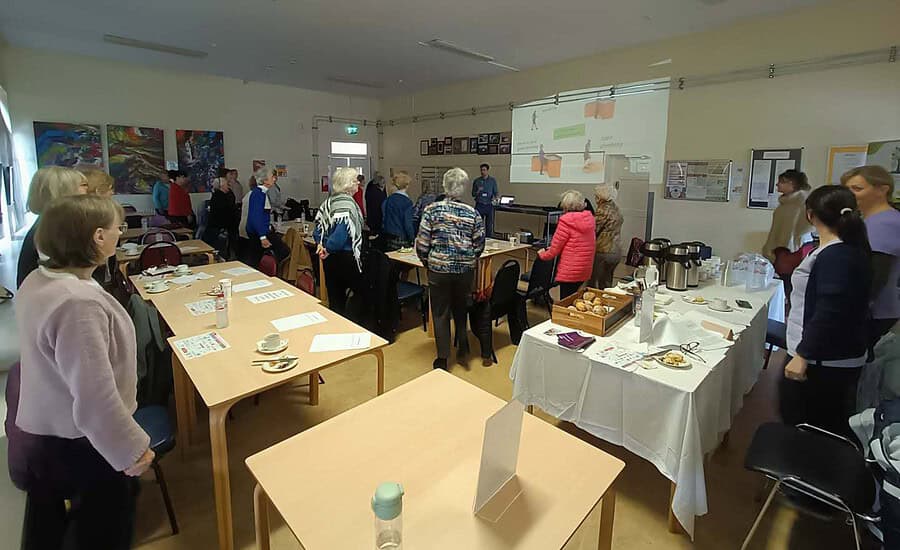
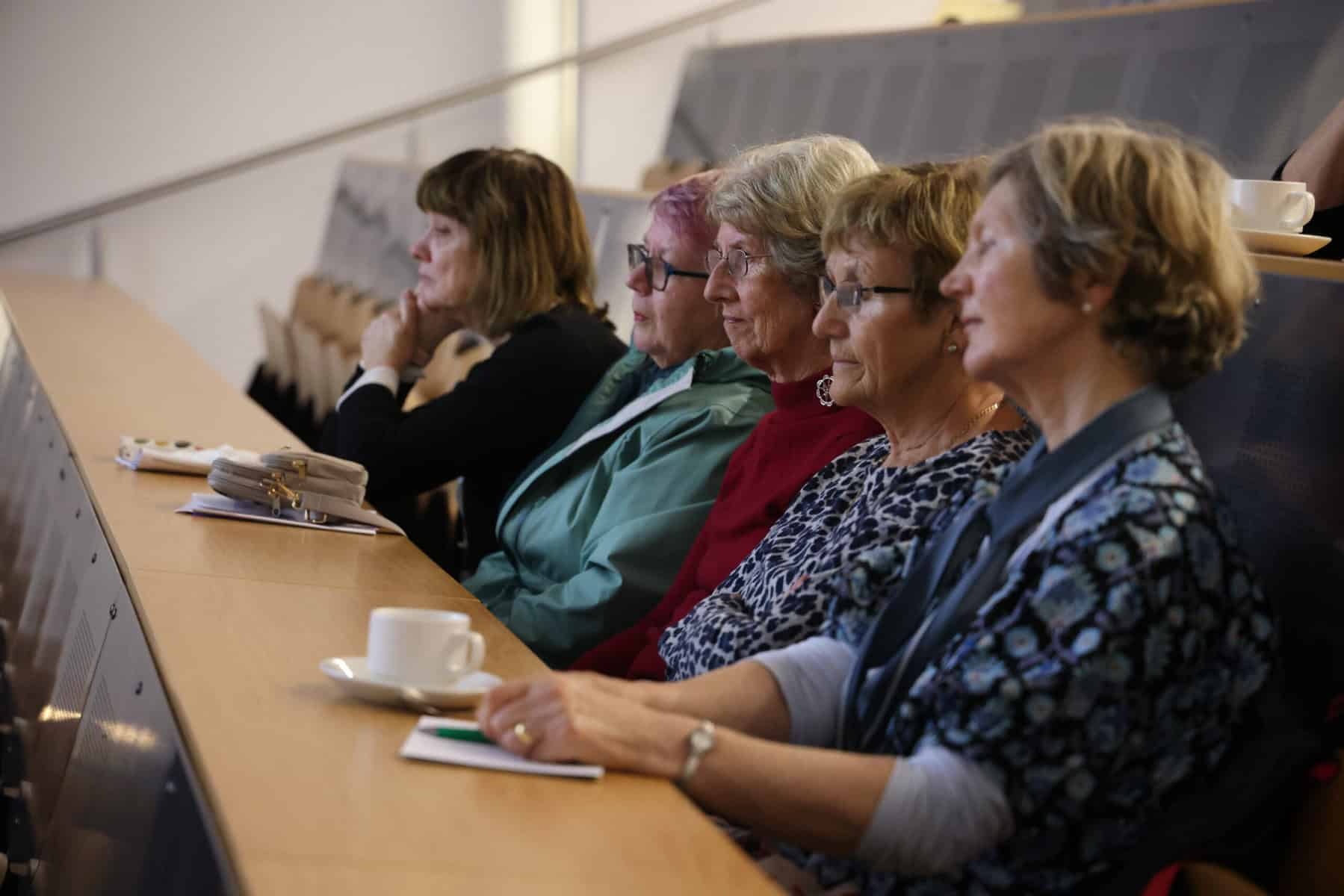
Ireland’s first-ever Osteoporosis Coffee Mornings were held at Merlin Park Hospital. Featuring talks by experts, the events received positive feedback. The coffee mornings have generated an engaged/supportive community.




Results from the AR-Exergame Clinical Trial show that virtual rehabilitation was equal to/outperformed physical training and that a vulnerable population (60-86y) did not just tolerate but enjoyed AR training. We presented results at two World Congresses (2025):Osteoporosis (WCO-IOF-ESCEO) and Virtual Rehabilitation

"The 6 week physical exercise programme had a very positive effect on my body as well as my mental attitude towards exercise which I have continued with. Overall this study renewed my confidence on how to live a normal healthy life in a safe way while having osteoporosis. ”
“My mobility improved since starting these games. My knees are better, my arms are stronger, and it’s easier to get off a chair. My walking has certainly improved. […] My speed has also improved. I’m more mobile. ”
Policy and Advocacy Impact
Our Osteoporosis Coffee Mornings are not just about raising awareness, they’re also building grassroots momentum for policy change. In addition to teaching people how to live well with osteoporosis, these events have empowered a politically-engaged community now actively advocating for a national screening programme and enhanced public education. Participants have written to the Minister for Health, and we’ve engaged directly with policymakers through meetings and by sharing our brochures highlighting up-to-date osteoporosis facts. While no formal commitments have been made, the conversation has started.
Economic Impact
US figures suggest that the implementation of our tool should result in a large reduction in the number of unnecessary scans but would increase scans among those most likely to benefit [1]. The overall impact would be a large improvement in the net benefit:risk ratio, with substantial consequent economic savings by improving the value of the service for no additional cost.
Public Engagement and Raised Awareness
- We use a multi-channel approach to raise public awareness of osteoporosis: a dedicated website, social media, and podcasts.
- Following ethics approval (April), we are developing a 45min. osteoporosis documentary with a filmmaker, to be completed by October 2025.
- On World Osteoporosis Day (WOD) (20/10/2024), Prof. John Carey discussed the over-treatment of low-risk individuals and the under-treatment of those in need of medication. Media coverage: two broadcasts, 34 online articles, and seven print-articles, reaching 10,083,730 – journal paper forthcoming.
Broadcast Media
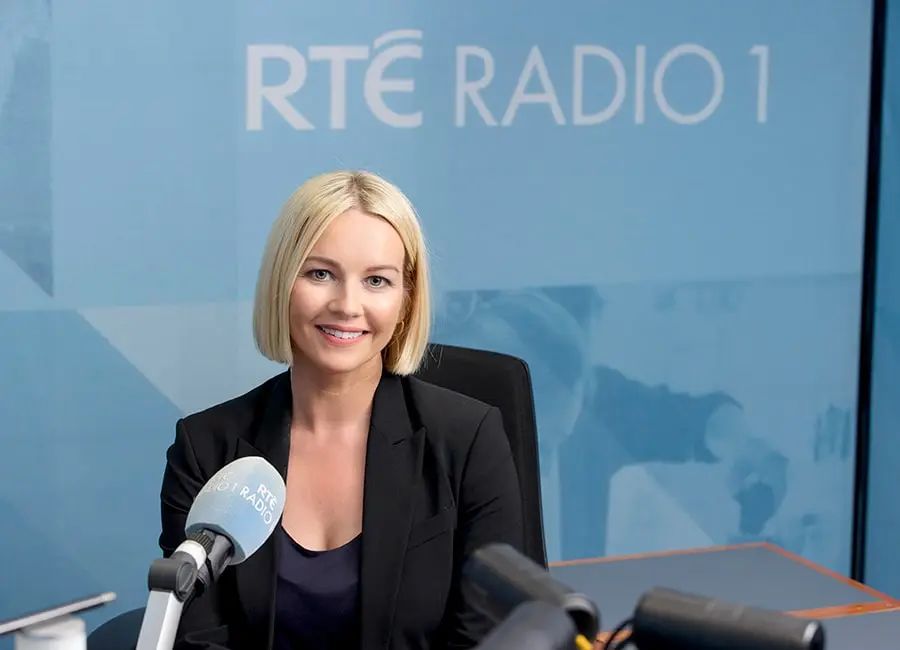
On WOD (20/10/2023), Dr John Carey appeared with Claire Byrne. Media coverage: two broadcast and 12 online articles, reaching 3,651,952 listeners.
https://www.rte.ie/radio/radio1/clips/22311733/
Social Media
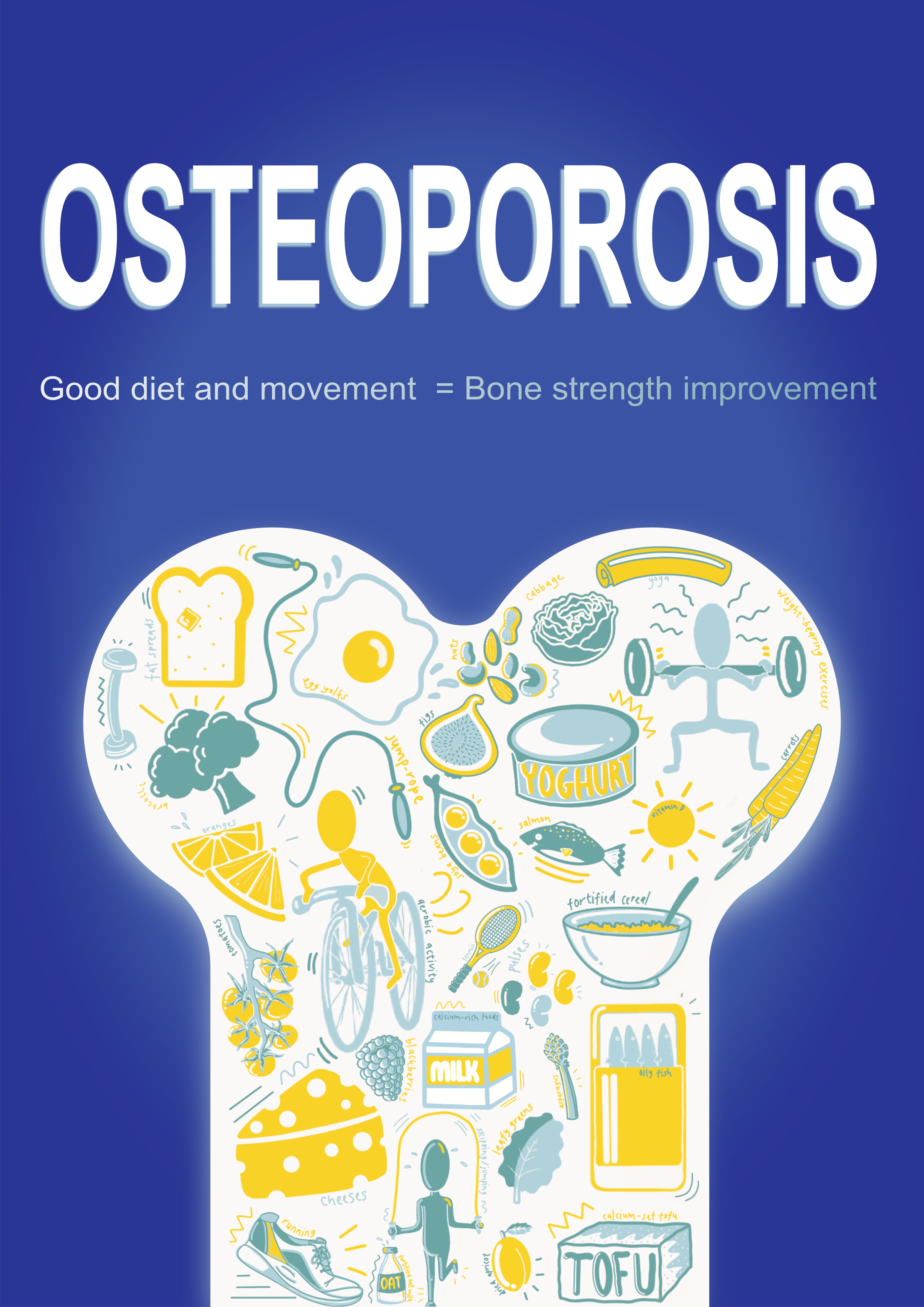
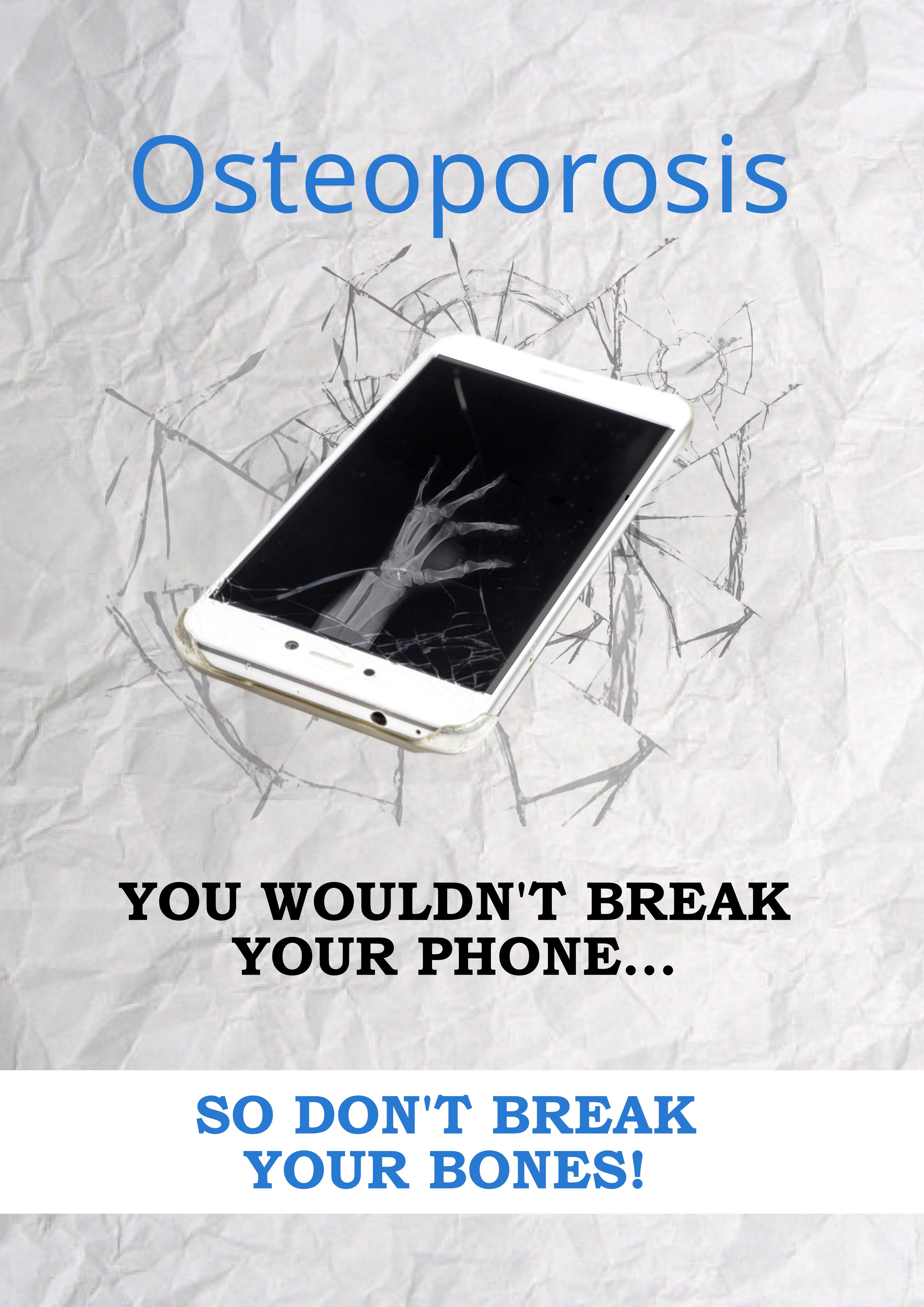
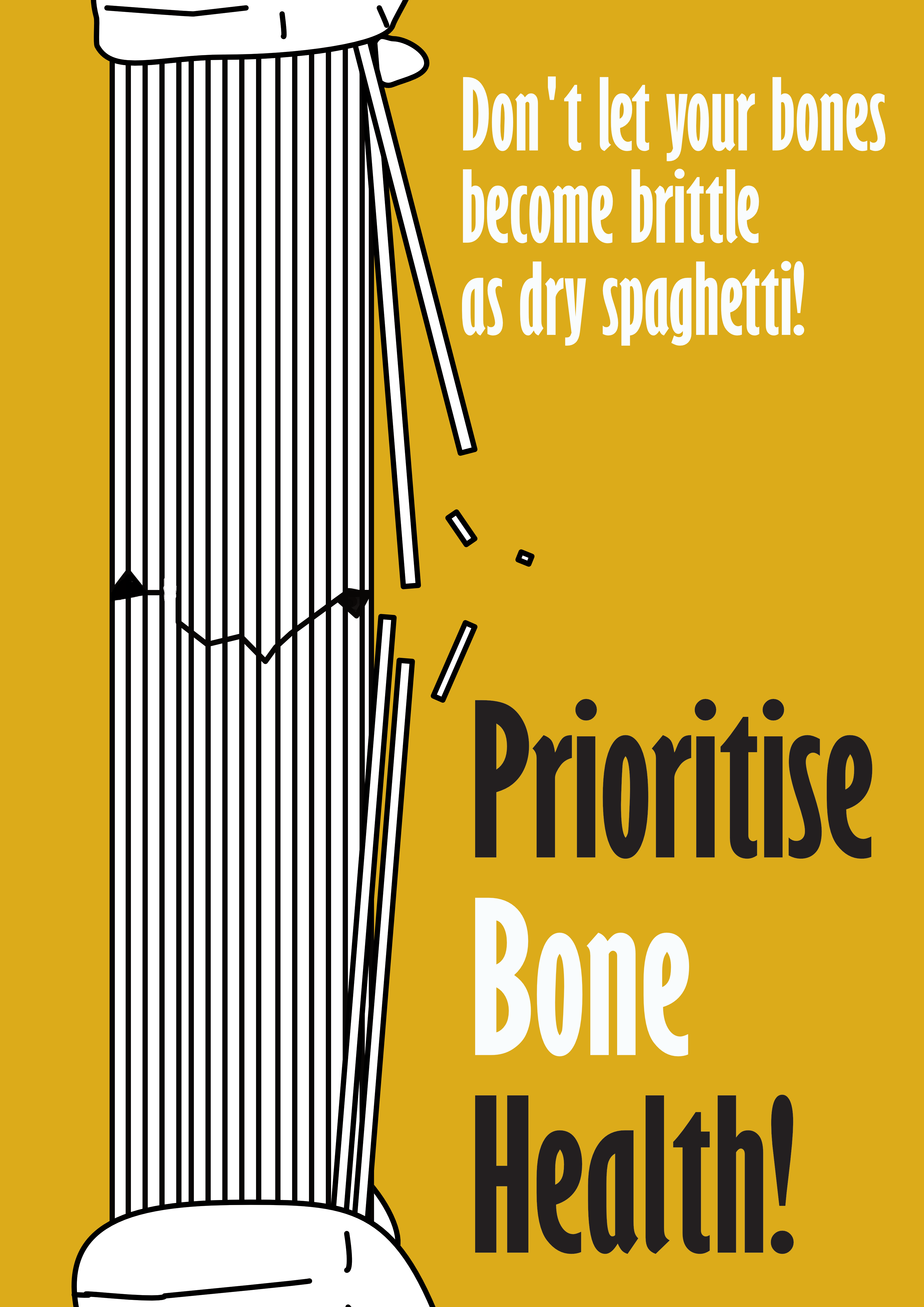
Final-year BA (IT) students researched and created Osteoporosis awareness materials, including posters and TikToks (2023-2025). The posters are used in partner healthcare centers, while the TikTok videos engage a younger audience, leveraging Gen Z to educate Gen Z.

Print Media
“Screening and Diagnosis of Osteoporosis: A Concise Guide” is featured in the educational handbooks by Hospital Pharmacy Europe.
Research Funding

This research was supported in part by the Health Research Board (SDAP) under grant numbers SDAP-2021-001 and SDAP-2023-010.

References to the Research
- Carey, J.J., et al., Prevalence of Low Bone Mass and Osteoporosis in Ireland: the Dual‐Energy X‐Ray Absorptiometry (DXA) Health Informatics Prediction (HIP) Project. Journal of Bone and Mineral Research Plus, 2023. 7(10): p. e10798.
- Erjiang, E., et al., Utility of osteoporosis self-assessment tool as a screening tool for osteoporosis in Irish men and women: results of the DXA-HIP project. Journal of Clinical Densitometry, 2021. 24(4): p. 516-526.
- Erjiang, E., et al., Machine learning can improve clinical detection of low BMD: the DXA-HIP study. Journal of Clinical Densitometry, 2021. 24(4): p. 527-537.
- Erjiang, E., et al., Modelling future bone mineral density: Simplicity or complexity? Bone, 2024. 187: p. 117178.
- Ebrahimiarjestan, M., et al., Bone mineral density and fractures in patients with rheumatoid arthritis: the DXA-HIP project. Rheumatology Advances in Practice, 2023. 7(3): p. rkad091.
- Wang, T., et al., How does proximal femur BMD of healthy Irish adults compare to NHANES III? Results of the DXA-HIP Project. Archives of Osteoporosis, 2021. 16(1): p. 1-10.
Evidence of Impact
- List of journal papers arising from this research: Papers - DXA-MAP
- RTE news feature [see panel on rhs]: Event Archive - DXA-MAP
- Photos from Osteoporosis coffee mornings [main page]: Event Archive - DXA-MAP
- World Osteoporosis day at UCHG hospital foyer: World Osteoporosis Day - 2024 - DXA-MAP
- University web page: October - University of Galway
- Study highlights under-treatment of osteoporosis
- Up to 70% of osteoporosis patients getting inappropriate treatment, research finds – The Irish Times
- World Osteoporosis Day 2023 – Prof. J. Carey with Claire Byrne: https://www.rte.ie/radio/radio1/clips/22311733/
- Up to 500,000 people may have osteoporosis in Ireland, according to new research
- TikTok - Make Your Day